You load the bar, unrack it, and sink down — and somewhere around parallel the brakes slam on. Your heels start creeping up, your torso pitches forward, or your knees cave in like they’re trying to shake hands. You fight it, blame your hips, and add another mobility flow to your warm-up that never seems to help.
Here’s the part most people miss: the squat is built from the ground up, and the ground is your ankle. If the ankle won’t bend, everything above it has to cheat. Fix the ankle and depth often shows up on its own.

What dorsiflexion actually is
Dorsiflexion is just the technical word for your knee traveling forward over your toes while your heel stays planted. That’s it. When you squat deep, your shin has to angle forward over the foot. The more it can angle, the deeper you can drop while keeping your chest up and your heels down.
Limit that angle and the body improvises. The heel pops up to buy fake range. The hips fold early and dump you forward. The knees collapse inward chasing the path of least resistance. None of those are bad habits you need willpower to break — they’re symptoms of an ankle that ran out of road.
Test it before you fix it
Don’t guess. Do the knee-to-wall test. Kneel in a half-lunge facing a wall, front foot about four inches back from it. Drive your knee straight forward toward the wall, keeping your heel glued to the floor. Can the knee touch? Slide the foot back until it just barely can, then measure the gap from your big toe to the wall.
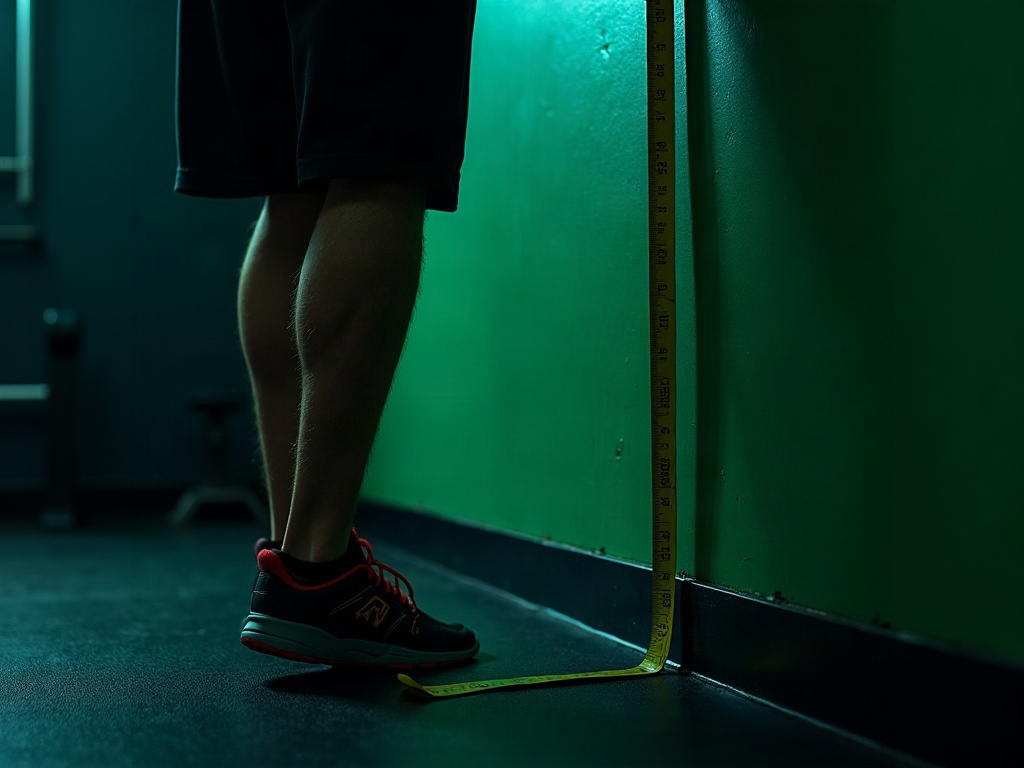
Roughly four inches (about 10 cm) or more per side is plenty for a full squat. Under three inches and your ankle is almost certainly the thing capping your depth. Check both sides — a lopsided squat often traces back to one stiff ankle, not a weak glute.
The drills that move the needle
Stretching your calf against a wall for ten seconds isn’t going to cut it. You need loaded, end-range work that tells the ankle it’s safe to go further.
Weighted knee-to-wall rocks. Same position as the test, but now you rock the knee past the wall for reps — 2 to 3 sets of 10 per side — and hold a plate against your thigh to add gentle pressure. Push into the stretch, don’t bounce.
Elevated-heel calf stretch with a bend. Put the ball of your foot on a plate, drop the heel, then slightly bend the knee to bias the deeper calf muscle (the soleus) that actually limits a squat. Thirty to sixty seconds a side.
Loaded goblet squat holds. Hold a kettlebell at your chest, sink as low as you comfortably can, and use your elbows to pry your knees out. Sit there and breathe for 20 to 30 seconds. You’re not just stretching — you’re teaching your nervous system that the bottom is a place to live, not a place to panic.

Train the mobility you just unlocked
Range you can’t control, you lose. After the drills, do a few sets of slow bodyweight squats to your new depth, pausing two seconds at the bottom. Then take it to the bar with lighter weight and the same pause. The goal isn’t to touch your range once — it’s to make it the range you own under load.

When to use a heel lift (and when not to)
Raising your heel — with weightlifting shoes or a small plate under each foot — instantly reduces how much ankle bend you need. It’s a legitimate tool. Olympic lifters live in raised heels for a reason, and if you’re training today and your ankles aren’t ready, a wedge lets you squat deep and safe right now.
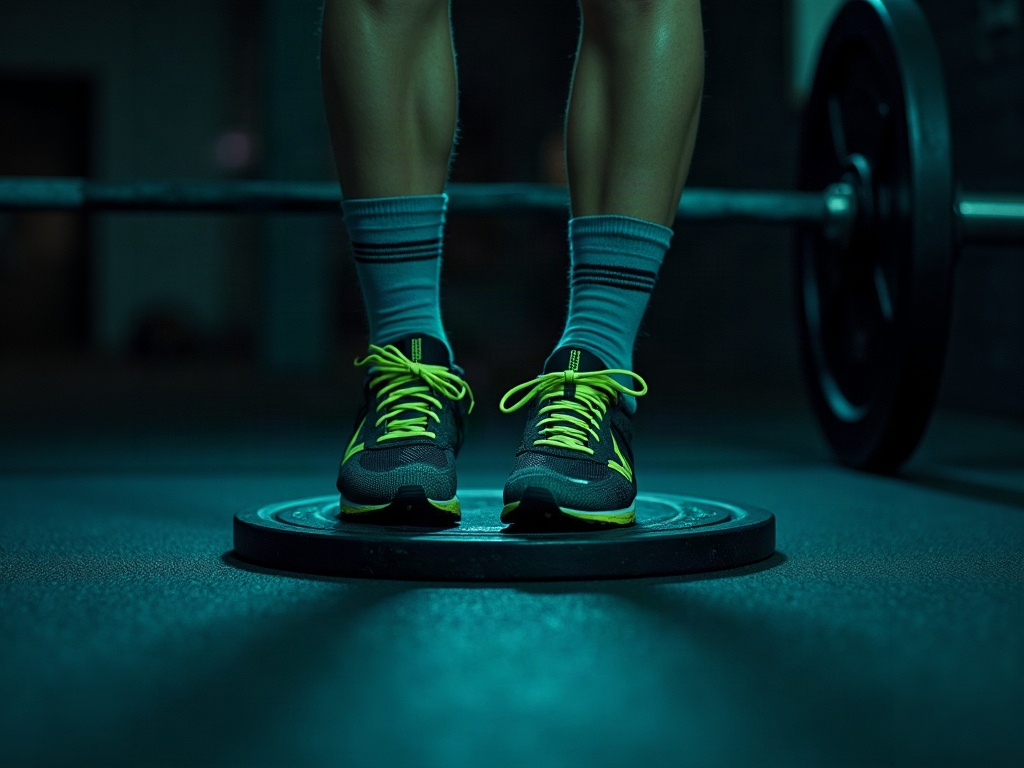
The trap is using it as a permanent patch while never addressing the ankle underneath. Use the lift to train hard, keep doing your mobility work on the side, and re-test the knee-to-wall every few weeks. If the number climbs, start phasing the wedge out. If you’d rather lift in raised heels for good, that’s a valid choice too — just make it a decision, not a hiding spot.
Don’t blame the ankle for everything
Mobility is usually the lock, but not always. If your hips feel jammed, your stance width or foot angle might be fighting your build — try turning the toes out slightly and widening your feet. If your upper back rounds the second you load up, that’s a bracing and thoracic issue, not an ankle one. Fix what the test actually points to.
Stop forcing depth with grind and ego. Spend ten minutes on the ankles, re-test, and let your squat drop the honest way. While you’re in there, track your warm-up sets and rest with Kalaku so the mobility work stays part of the session instead of the thing you skip when the clock’s running — then get back under the bar and go train.