Here’s a moment every lifter knows. You load a deadlift that your legs and back can absolutely handle. You pull. And halfway up, the bar starts rolling out of your fingers. You didn’t run out of strength. You ran out of grip.
Grip is the quiet gatekeeper on your biggest lifts. Fix it, and pulls that used to slip suddenly feel locked in. Ignore it, and it silently caps everything you do.
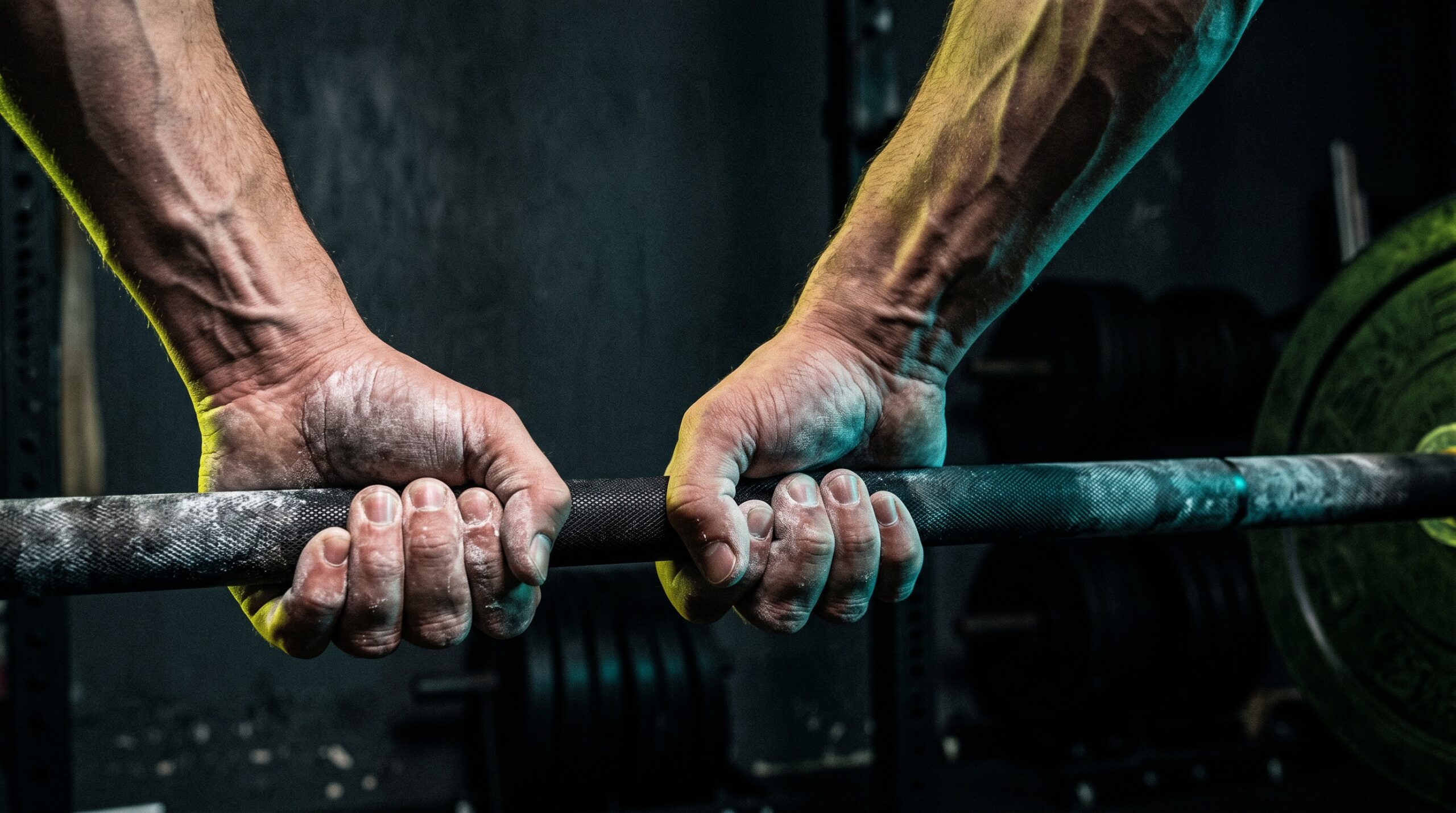
Your grip fails before your muscles do
On heavy pulls – deadlifts, rows, pull-ups, carries – your hands are the connection point between you and the weight. Your forearms are smaller than your back and legs, so they fatigue first. That means your grip often quits while the big muscles still have plenty left in the tank. You’re leaving reps, and gains, on the floor.
The fix isn’t complicated. Grip responds fast to a little direct work – often faster than any other body part – because most people have never trained it on purpose.
The three kinds of grip
Not all grip is the same. Train all three and nothing catches you off guard:
- Crush grip – squeezing something closed (a hand gripper, a thick bar). It’s what most people picture.
- Support grip – holding onto something heavy without letting go. This is your deadlift and carry grip, and it’s the one most lifts actually demand.
- Pinch grip – holding weight between fingers and thumb with no hook (think gripping two plates together). The most neglected, and brutal for the thumb.
Straps aren’t cheating – but hiding behind them is
Lifting straps wrap your wrist to the bar so grip never limits you. Used well, they’re great: on your heaviest back-work, straps let you overload the target muscles when grip would otherwise be the ceiling.
The trap is strapping up for everything. If straps are the only reason you can hold the bar, your grip never gets the signal to grow, and the weakness follows you around forever. Simple rule: build your working sets strap-free, and save the straps for your very heaviest overload sets.
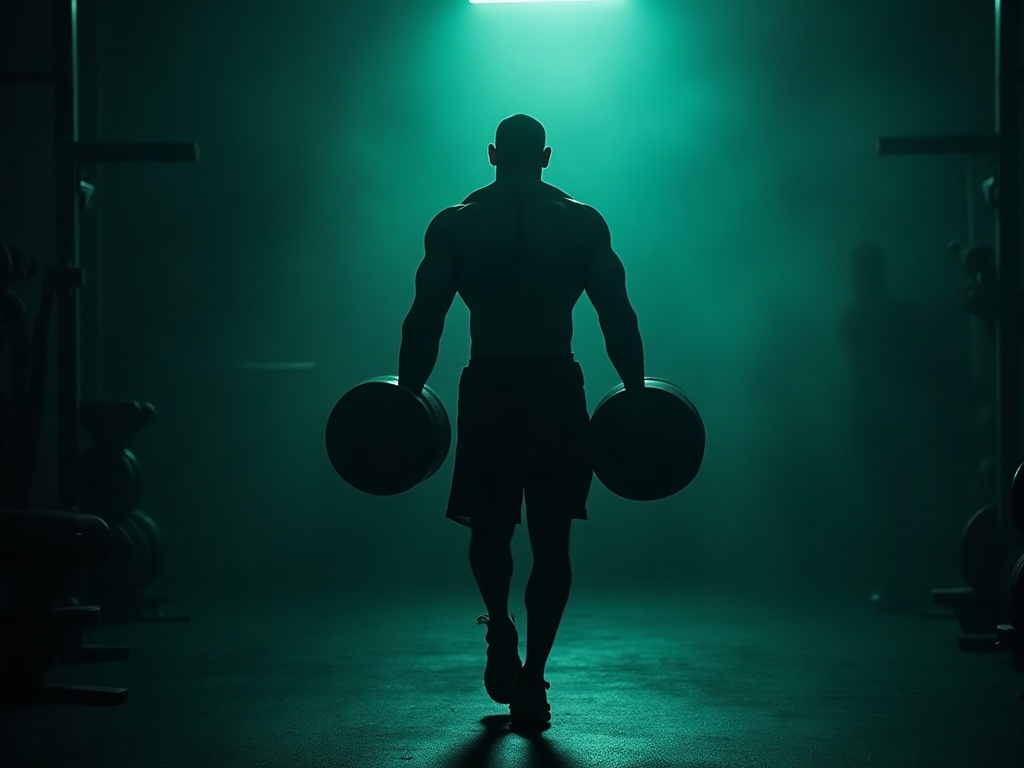
How to actually train grip
You don’t need fancy gear. Four moves cover it:
1. Loaded carries. Grab heavy dumbbells or a trap bar and walk. Farmer’s carries build support grip, traps, core and conditioning all at once – the best bang-for-buck grip move there is. Go for distance or time until your hands are screaming.
2. Dead hangs. Just hang from a pull-up bar. Aim to accumulate a couple of minutes total. It’s the lowest-effort grip win in the gym and it decompresses your shoulders as a bonus.
3. Timed holds. After your last deadlift or row set, hold the bar at the top for as long as you can. You’re already loaded – milk it.
4. Plate pinches. Pinch two smooth plates together and hold, or carry them. This is your thumb and pinch-grip work, and almost nobody does it.
Program it without frying your forearms
Grip recovers fast but it’s easy to overcook. Two to three short sessions a week is plenty – tacked onto the end of workouts you’re already doing. Two hard carries here, a couple of dead hangs there, a timed hold after deadlifts. Five minutes, not a whole session. If your forearms are so sore your regular lifts suffer, back off; grip is a supporting act, not the main event.
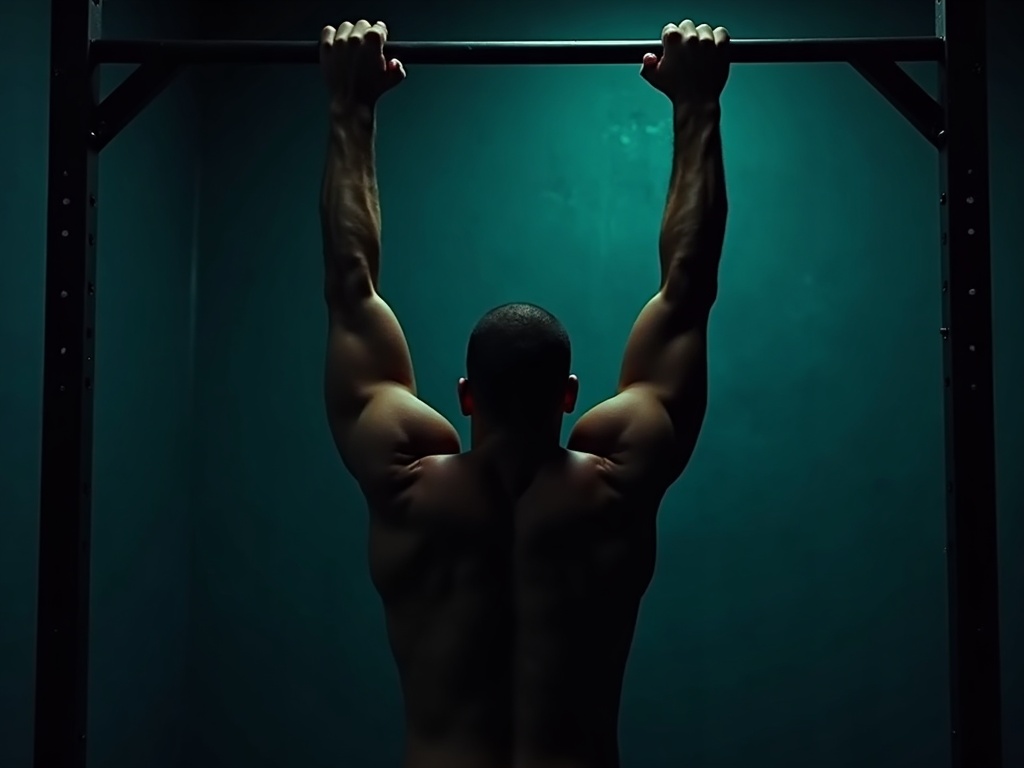
The 4-week grip kickstart
Add this to your current routine:
- 2x/week: heavy farmer’s carries – 3 to 4 rounds of 30-40 meters, strap-free, resting as needed.
- Most days: one dead hang to near-failure. That’s it. Consistency beats intensity here.
- After every pull day: one max-effort timed hold at the top of your last set.
- 1x/week: plate pinches – a few sets of holds for the thumbs.
Four weeks of that and the bar stops slipping. Your deadlift number climbs for a reason that has nothing to do with your legs – and everything to do with finally training the weak link.
Stop letting your hands cash checks your body can’t finish. Train the grip, keep your sessions tight and focused – and if tracking your carries and holds keeps you honest, that’s exactly the kind of thing Kalaku is built to make effortless. Now go grab something heavy.