Walk into any supplement aisle and you will find a wall of powders promising the world. Ignore almost all of it. There is exactly one supplement with decades of research, hundreds of studies, and a genuine track record for helping you get stronger: creatine. It is also one of the cheapest things on the shelf, which is probably why it does not get the flashy marketing it deserves.
Here is the honest version – what creatine does, what it does not, how to take it, and which of the scary rumors you can safely throw out.

What creatine actually is
Creatine is a compound your body already makes and stores, mostly in your muscles. You also get it from food – red meat and fish, mainly. Your muscles use it to recharge their fastest energy system, the one that fires during short, hard efforts like a heavy set of squats or a sprint.
The catch: most people walk around with their creatine stores only partly full. Supplementing simply tops off the tank. That is the entire mechanism. No hormones, no stimulants, no tricks – just more of a fuel your muscles were already running on.
What it actually does (and what it doesn’t)
The research is unusually clear here. Creatine lets you squeeze out a rep or two more on your hard sets, recover slightly faster between them, and train a touch harder overall. Do that week after week and it compounds into more strength and more muscle than you would have built without it. The effect is real but modest – think a few extra percent, not a transformation.
It will not build muscle while you sit on the couch. It will not replace training, protein, or sleep. And it is not a pre-workout – you do not feel a buzz. What you feel, over weeks, is that your top sets have a little more left in the tank.
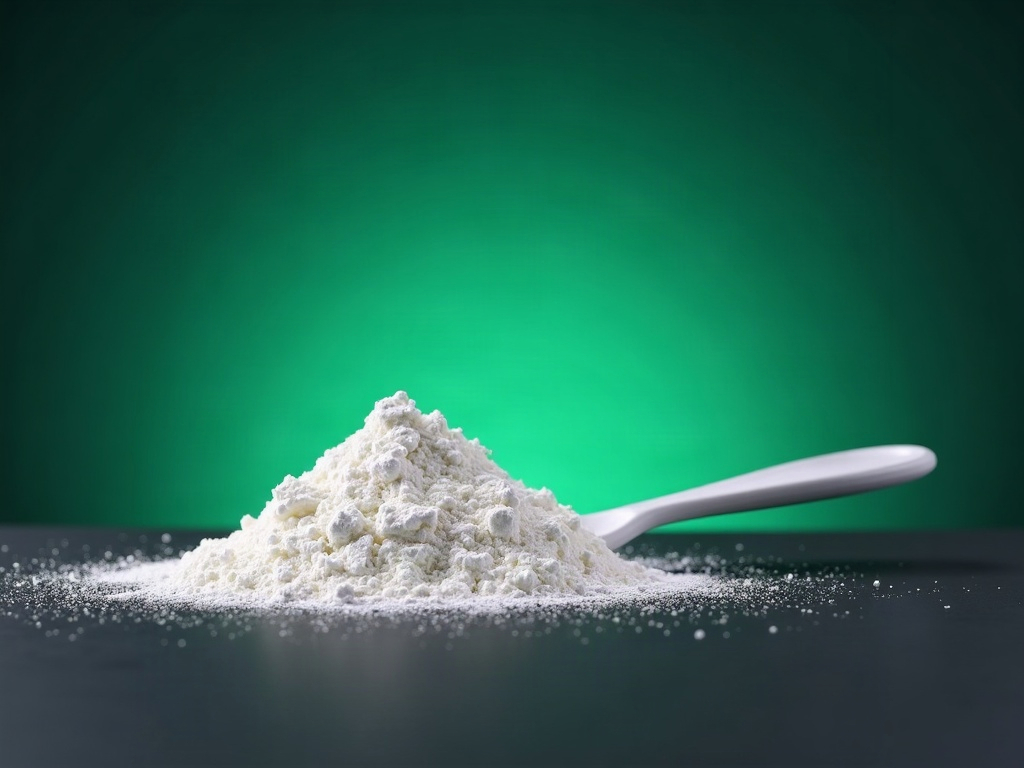
How to take it: keep it stupidly simple
Buy plain creatine monohydrate. Not the buffered, liquid, or “advanced” versions charging triple the price – the monohydrate is the one every study used, and nothing has beaten it.
Take 3 to 5 grams a day, every day. That is it. You can front-load with 20 grams a day for a week to fill your stores faster, but it is optional; a steady daily dose gets you to the same place in about three to four weeks.
Timing is the most over-thought part of the whole topic. Before, after, morning, night – it makes no meaningful difference. Pick the moment you will actually remember. Stir it into your morning coffee, your post-workout shake, or a glass of water on the way out the door. The best dose is the one you take consistently.

The myths worth throwing out
Creatine collects rumors the way a chalk bucket collects handprints. Let’s clear the big ones.
“It wrecks your kidneys.” In healthy people, long-term studies have not found harm. If you have an existing kidney condition, check with a doctor first – that is just sense, not a red flag about the supplement.
“It causes hair loss.” This traces back to a single small study that measured a hormone, not actual hair loss, and has never been reliably repeated. There is no solid evidence creatine thins your hair.
“You have to cycle off it.” No. There is no need to take breaks. Daily, ongoing use is exactly how it was studied.
“It’s just water weight.” Creatine does pull a little water into your muscle cells, so you may see the scale tick up a pound or two early on. That water is inside the muscle, not bloating around it – and it is a sign the stuff is working, not a downside.
Who should bother – and who won’t notice much
If you lift with any intent – trying to add weight to the bar, build muscle, or train harder – creatine is one of the few supplements worth your money. It helps beginners and experienced lifters alike.
A small slice of people are “non-responders” whose muscles are already near full, often folks who eat a lot of red meat. They will notice less. There is no harm in trying it for a month to see which camp you fall in.

The honest bottom line
Creatine is a small, reliable edge – not a shortcut. It earns its place because it is cheap, safe, and actually backed by evidence, which is more than you can say for most of that supplement wall.
But it only matters on top of the real work: showing up, training hard, and tracking your progress so you know you are moving forward. Fill the tank, then go earn the reps. Rest your prescribed time, keep your head in the set instead of your phone, and let the small edges stack up. That is where the strength actually comes from.