Walk into any gym and you’ll see it: shaker bottles glowing neon, half-finished cold brews on the bench, that one guy whose pre-workout could probably power a small car. Caffeine is the most-used performance drug on the planet, and unlike most of what gets hyped in the fitness world, it actually works. It’s cheap, it’s legal, and the research backing it is genuinely solid.
But “it works” doesn’t mean “chug as much as you can and hope.” There’s a right dose, a right window, and a few ways it can quietly cost you more than it gives. Let’s break down how to use caffeine before a workout so it actually pushes your session instead of just making you jittery.
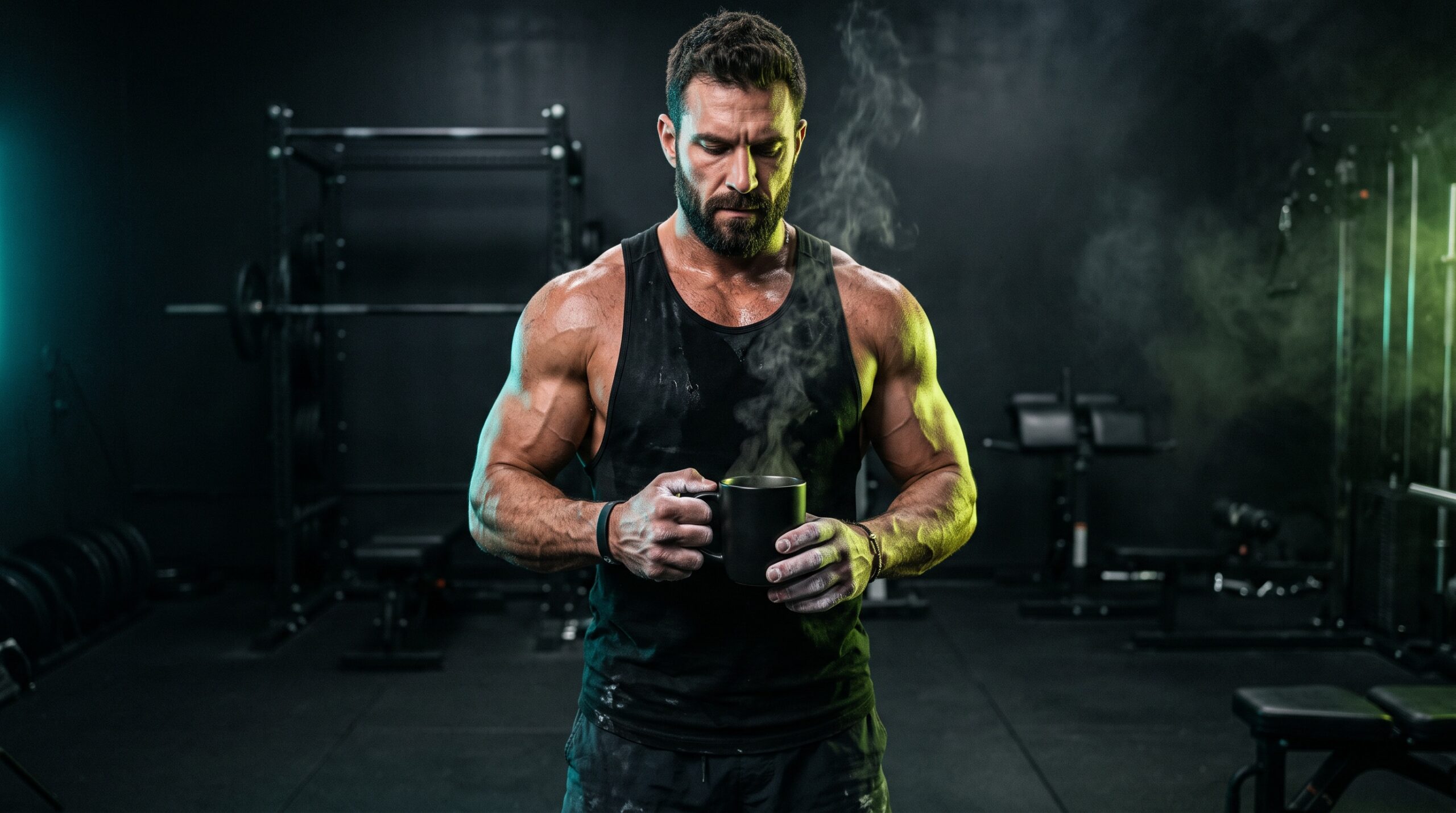
What caffeine actually does when you train
Caffeine’s main trick is blocking adenosine – the chemical that builds up through the day and makes you feel tired. With adenosine locked out, your brain reads the world as more awake, more alert, and, crucially for lifting, less tired than it should. That’s the whole game.
The knock-on effects are what you feel under the bar: sharper focus, faster reaction time, more drive, and a lower sense of effort. That last one is the big deal. A heavy set that would normally feel like a 9 out of 10 feels more like a 7. You’re not suddenly stronger on paper – the load is the same – but the set feels more manageable, so you fight harder and often squeeze out reps you’d have left behind.
Does it actually make you lift more?
Short answer: yes, modestly and reliably. The research is remarkably consistent here. Across strength, power, and muscular endurance, caffeine gives most people a small but real bump – think a few percent on max strength and reps-to-failure, with bigger effects on endurance-style work and on how much total volume you can grind out before you’re cooked.
A few percent doesn’t sound like much until you stack it across every set, every session, every week. More quality reps at the same effort is exactly how progress compounds. It won’t rescue a bad program or replace the fundamentals – a lousy plan with caffeine is still a lousy plan – but as an edge on top of solid training, it’s one of the few legal boosts that consistently shows up in the data.
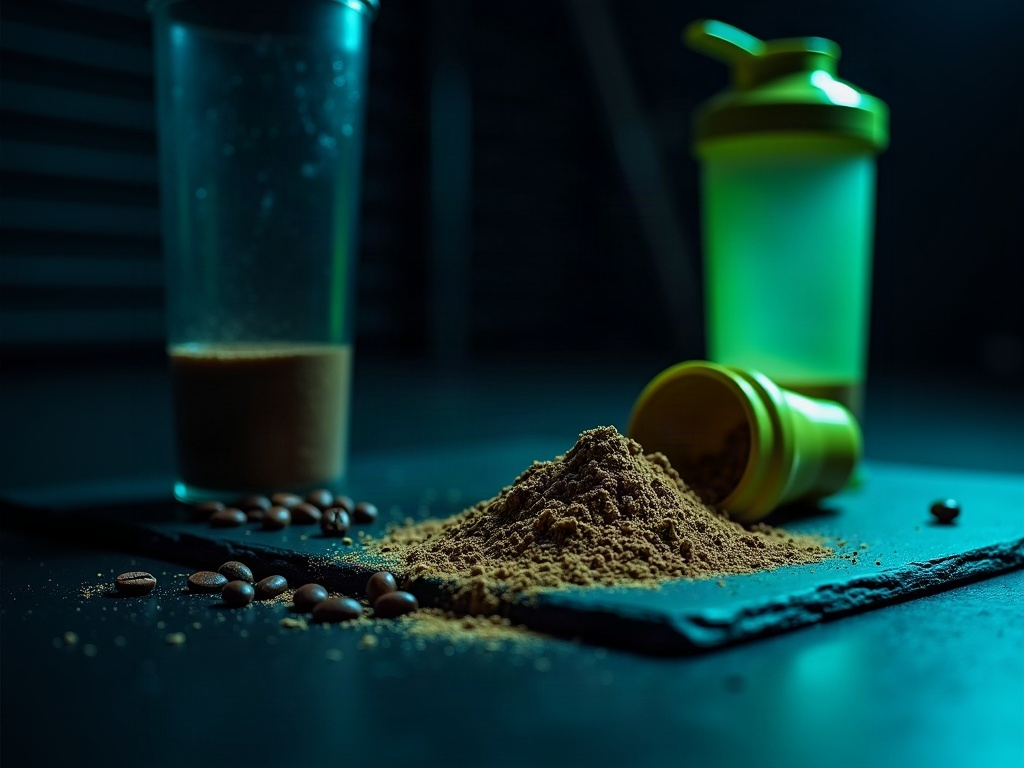
How much do you actually need?
Here’s where most people get it wrong, usually in the direction of “more.” The dose that shows up in the research is roughly 3 to 6 milligrams per kilogram of bodyweight. For an 80 kg (about 175 lb) lifter, that’s somewhere between 240 and 480 mg.
To translate that into real life: a strong cup of coffee is around 100 mg, a typical energy drink 150-200 mg, and a scoop of most pre-workouts anywhere from 150 to 300 mg. So for a lot of people, one to two coffees or a single sensible scoop lands right in the effective zone.
The mistake is assuming double the dose means double the benefit. It doesn’t. Push past your personal sweet spot and you don’t get stronger – you get shaky hands, a racing heart, a churning stomach, and a crash later. The performance curve flattens out fast, while the side effects keep climbing. Start on the lower end, see how you respond, and only nudge it up if you genuinely need more. Like creatine, the other supplement actually worth your money, caffeine rewards consistency and a sane dose far more than heroic amounts.
Timing: when to take it before the gym
Caffeine hits your bloodstream fast but takes a bit to fully ramp up. Peak levels land roughly 30 to 60 minutes after you drink it, so the sweet spot is taking it about 45 minutes before your first working set. Slam it in the parking lot and you’ll still catch most of the benefit by the middle of your session; take it an hour out and it’ll be peaking right when you hit the heavy stuff.
You don’t need to overthink the exact minute. Drink your coffee or pre-workout on the way to the gym, run your warm-up, and by the time the load gets serious you’ll be dialed in. The bigger timing question isn’t when it kicks in – it’s how long it hangs around.

The catch nobody wants to hear: caffeine and sleep
Caffeine has a half-life of around 5 to 6 hours, which means half of that afternoon dose is still floating in your system near bedtime. Train at 6 p.m. with a big scoop and you can absolutely wreck the depth of your sleep that night – even if you fall asleep fine.
That matters enormously, because sleep is where the actual muscle gets built. Trading a slightly better evening session for a worse night’s recovery is a bad deal almost every time – recovery, not just training, is what turns work into results. If you train in the late afternoon or evening, either keep the dose small, switch to a caffeine-free pre-workout pump product, or lean on a proper warm-up and good music to get switched on instead. Save the big hits for morning and midday sessions when there’s plenty of runway before bed.
Coffee, pre-workout, or a pill?
Your body can’t tell the difference between caffeine from a $6 pre-workout and caffeine from black coffee. Milligram for milligram, it’s the same molecule doing the same job. So pick based on what fits you:
- Coffee – cheap, simple, easy to dose once you know your cup’s roughly 100 mg. Great for most people.
- Pre-workout – convenient and often stacked with other ingredients (some useful, some just glittery filler). Read the label for the actual caffeine number so you’re not guessing.
- Caffeine pills – the most precise and cheapest per dose, no jitters from sugar or a gut full of liquid. Boring, effective, easy to overdo if you’re careless.
Whatever you pick, know your number. “A scoop” and “a cup” are useless units when one brand’s scoop is triple another’s.

Tolerance, sensitivity, and using it like a tool
Two more things separate people who use caffeine well from people it uses. First, tolerance is real. Drink a big dose every single day and your body adapts – the same amount stops feeling like anything, and you’re now just topping up a dependency instead of getting a performance kick. If you want caffeine to actually do something on your hardest days, keep your everyday intake moderate and save the bigger pre-workout dose for your key sessions. Some lifters deliberately dial back for a week now and then to reset their sensitivity.
Second, people vary a lot. Genetics, bodyweight, and habit all change how you respond – some folks get a clean, focused lift, others get anxious, wired, and queasy off half the dose. Pay attention to your own signal. If caffeine makes you feel scattered rather than sharp, less is more, and there’s zero shame in training with none at all.

Used right, caffeine is a genuine edge: a small, dependable boost in focus and drive that helps you attack the sets that matter. Used carelessly, it’s just expensive jitters and stolen sleep. Find your dose, take it about 45 minutes out, respect the half-life at night, and let it do its quiet job. The buzz isn’t the point – the focused, locked-in session is. That kind of clear-headed training, minus the noise and the doom-scroll between sets, is exactly what real gym focus is built on, and it’s what Kalaku is here to protect.