Here’s the lie that wrecks more training plans than bad programming ever will: I’ll train when I feel like it. Because here’s the truth — plenty of days, you won’t feel like it. You’ll be tired, flat, busy, bored. If showing up depends on motivation showing up first, you’ll miss the gym exactly when consistency matters most.
The lifters who never seem to skip aren’t more motivated than you. They’ve just stopped waiting to feel like it. Their secret has a name: the bridge task.

Why willpower keeps failing you
Motivation is a feeling, and feelings are terrible scheduling tools. They come and go on their own clock. When you tie a non-negotiable habit to an unreliable feeling, the habit inherits the unreliability.
The thing standing between you and a workout isn’t the workout — it’s the starting. The activation energy. That first push from couch to car to barbell feels enormous, so your brain, ever the negotiator, offers you a deal: skip today, go hard tomorrow. You know how that deal ends.
What a bridge task actually is
A bridge task is one stupidly small action that bridges you from not training to training — small enough that you can’t talk yourself out of it. Not “do the workout.” Just the first tiny domino.
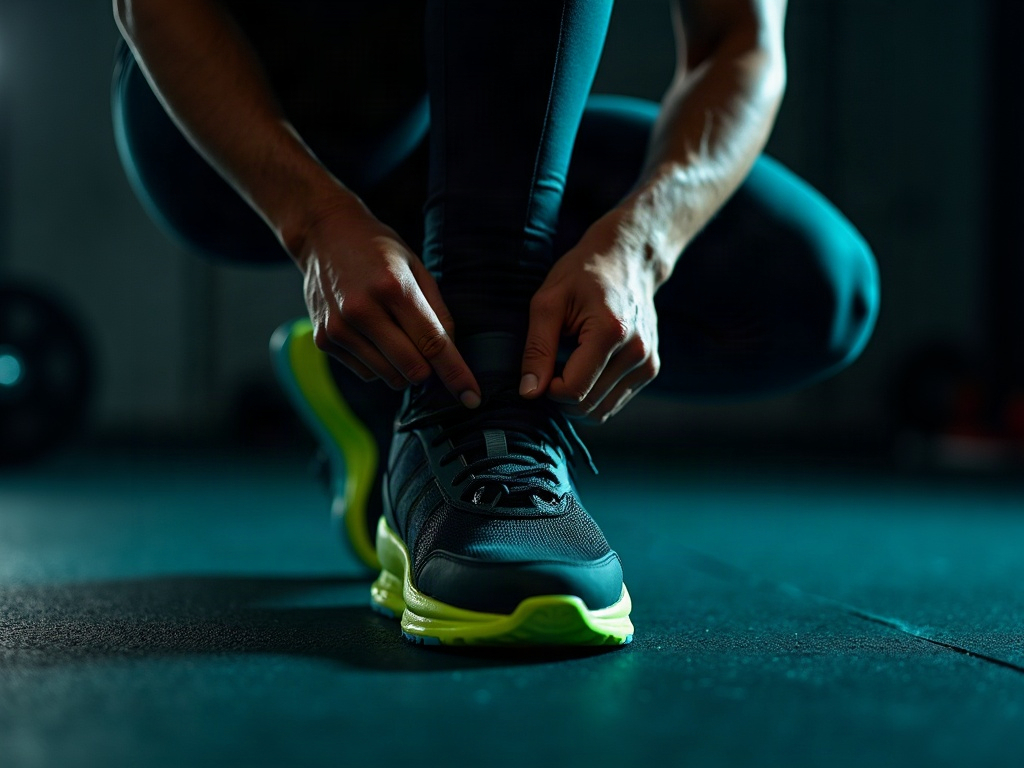
Lace your shoes. Fill the water bottle. Walk to the gym and do nothing else. Put one plate on the bar. That’s it. The rule is that the bridge task has to be so trivial it’s almost embarrassing to refuse. You’re not committing to a session. You’re committing to a shoelace.
Why something this dumb works
Two reasons, and both are on your side.
First, it kills the negotiation. Your brain can build a convincing case against a 60-minute session. It can’t build a case against lacing your shoes. The task is too small to argue with, so you just do it — and now you’re moving.
Second, starting creates momentum. Once the shoes are on and you’re standing at the bar, quitting is now the harder choice. The empty bar feels fine, so you add a plate. One warm-up set feels fine, so you take another. You tricked yourself past the only hard part, and your body took it from there.
Build your own bridge
Pick the version that matches where you usually stall out:
- If you can’t get off the couch: your bridge task is just getting dressed for the gym. Shoes and clothes on. Decide about going after you’re dressed, not before.
- If you make it to the gym but drift: your bridge task is the empty barbell. Walk straight to it and do one set of your first exercise with no weight. No warm-up, no plan — just the bar.
- If you train at home: your bridge task is setting up your space — mat down, one piece of equipment out. Setup is the start.
Make one promise and keep it tiny: I only have to do the bridge task. If you genuinely want to stop after that, you’re allowed. You almost never will.
Protect the start from the scroll
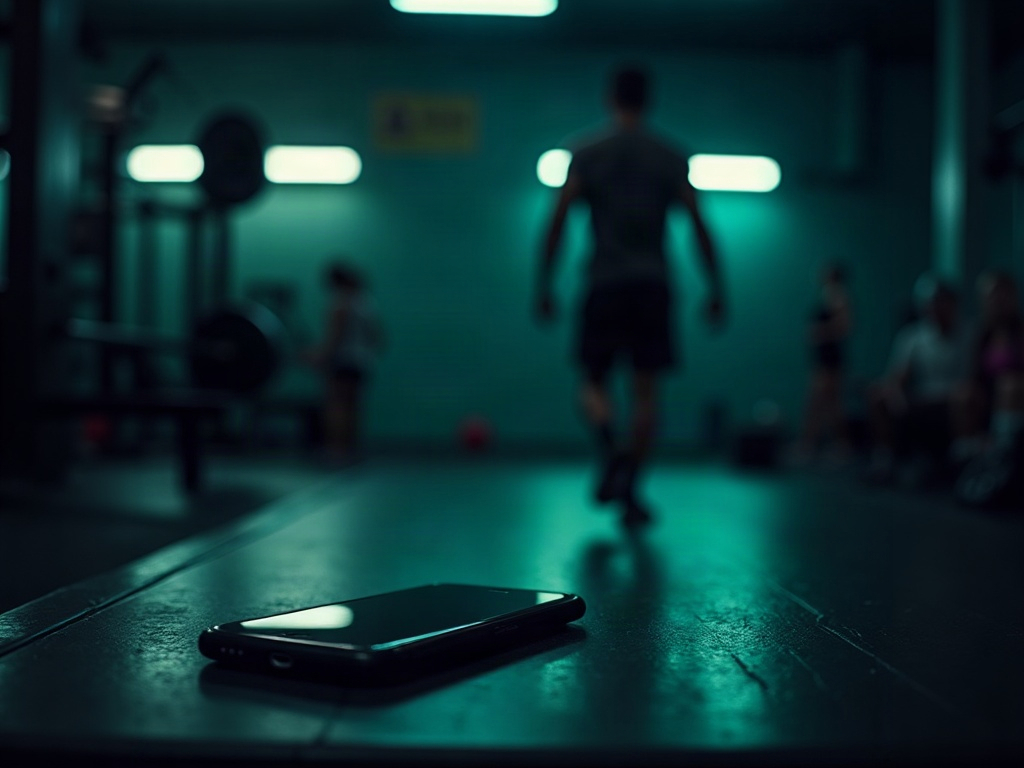
One more thing quietly murders your momentum: the phone. You sit down to “check one thing” between sets or before you start, and twenty minutes vanish. The bridge gets you moving; the scroll stops you cold.
So pair the bridge task with a simple guardrail: phone face-down, or on airplane mode, until the session’s done. If you use something to pace your work — a rest timer, a quick plate-math check — use that and nothing else. The gym is the one place the feed can wait. Kalaku’s built for exactly that: the tool you need between sets, without the rabbit hole.
The mindset shift that sticks
Stop auditioning for motivation and start trusting the process: action first, feeling second. You don’t start because you’re motivated — you get motivated because you started. The energy, the focus, the “okay, now I’m into it” — almost all of it arrives after the first set, not before it.
Discipline isn’t grinding through some heroic surge of willpower every day. It’s making the start so small that willpower barely has to show up. Lace the shoes. Load the bar. Let the workout sell itself.
Next time your brain offers you the skip-today deal, don’t argue with it. Just do your bridge task — and watch how often you end up finishing the whole thing anyway.