The weight is falling off. The scale drops week after week, your clothes hang looser, and for the first time in years the number is finally going the right direction. GLP-1 medications like semaglutide and tirzepatide are doing exactly what they promised.
But here’s the question almost nobody asks in the excitement: what are you actually losing? Because when weight comes off this fast on an appetite that’s been dialed down to nothing, a surprisingly large chunk of it isn’t fat. It’s muscle. And that’s the part that can quietly wreck the whole payoff – unless you do something about it in the weight room.

Why GLP-1 Weight Loss Can Cost You Muscle
Every time you lose weight, some of it comes from lean tissue and some from fat. That’s normal. The problem with GLP-1 medications is a matter of speed and appetite.
These drugs work by crushing hunger, which means people often end up in a steep calorie deficit and eating far less protein than their body needs. Drop weight quickly while under-eating protein and doing nothing to challenge your muscles, and your body has little reason to hold onto that hard-won tissue. Studies on rapid weight loss consistently show a meaningful slice of the total – sometimes a quarter to a third or more – coming from lean mass. You lose the fat you wanted and the muscle you didn’t.
Losing Muscle Sabotages the Whole Goal
It’s tempting to shrug this off. If the scale’s going down, who cares where it comes from? You should – for a few very practical reasons.
Muscle is metabolically expensive tissue. Lose it, and your metabolism slows, which makes the weight easier to regain the moment your intake creeps back up. Muscle is also what makes you functional – it’s your strength, your balance, your ability to carry, climb, and get up off the floor without a struggle. Strip it away and you can end up smaller but weaker, softer, and more fragile than before. That’s the outcome nobody signs up for: the "skinny-fat" result where the body on the scale looks like progress but the body in the mirror and in real life doesn’t.
The goal was never just to weigh less. It was to be healthier and move better. Losing muscle works directly against both.

Resistance Training Is the Signal That Says "Keep This"
Here’s the good news, and it’s a big one: you have enormous control over how that weight comes off. The single most powerful tool for steering the loss toward fat instead of muscle is resistance training.
When you lift, you send your body an unmistakable message – this muscle is being used, it’s important, don’t break it down for fuel. Faced with a calorie deficit, an untrained body sheds muscle it sees as unnecessary. A body that’s being asked to squat, press, and pull several times a week holds onto that tissue and burns fat to make up the difference instead. You’re not just losing weight anymore; you’re recomposing.
You don’t need to live in the gym to get this benefit either. As we covered in the minimum effective dose for strength training, a couple of focused sessions a week is genuinely enough to protect and even build muscle. The bar to entry is low – the return is enormous.
What to Actually Do in the Gym
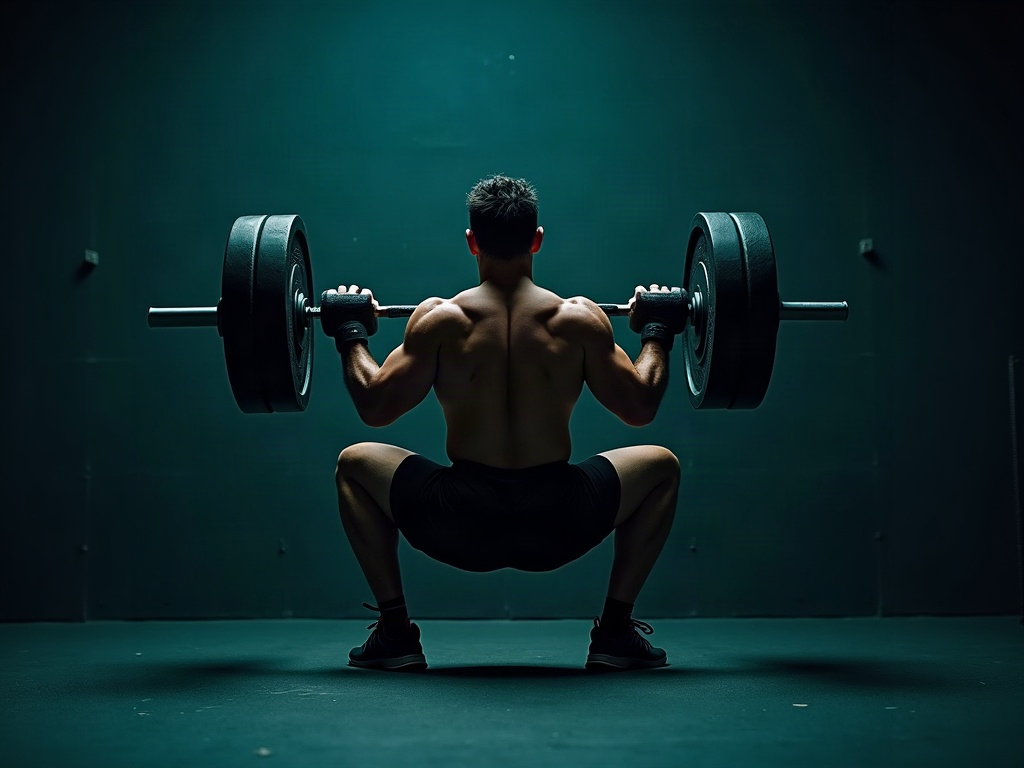
Keep it simple and keep it hard-hitting. Your priority is compound movements that recruit the most muscle for the least time: squats and leg presses, pushes like a chest or overhead press, pulls like rows and lat pulldowns, and a hinge such as a deadlift or hip thrust. A full-body approach two or three times a week covers everything without demanding hours.
Kettlebells and dumbbells are perfect here – a few loaded carries, goblet squats, presses, and swings hit the whole body and are easy to run in a small space or at home. The one principle that makes it all work is progressive overload: nudge the weight or the reps up over time so your muscles always have a reason to stay. If you want the numbers behind how much is enough, our guide to how many sets per muscle per week lays out the volume sweet spot so you’re not guessing.
One honest caveat: on a suppressed appetite and low fuel, your energy in the gym may dip. That’s fine. You’re not chasing personal records right now – you’re preserving what you’ve got. Show up, move real weight with good form, and let that be enough.
Protein Is Non-Negotiable
Lifting gives your body the reason to keep muscle. Protein gives it the raw material. On a GLP-1, this is where most people fall short – not because they don’t care, but because their appetite is gone and food feels like a chore.
You have to be deliberate. Aim to anchor every meal around a solid protein source – eggs, Greek yogurt, cottage cheese, chicken, fish, lean meat, or a shake when whole food feels like too much. Because you’re eating less overall, the protein you do eat matters more than ever; it has to do the heavy lifting your reduced calories can’t. Our breakdown of how much protein you actually need to build and keep muscle gives you a concrete target to hit each day. Prioritize it before anything else on the plate.
Come Out the Other Side Stronger
A GLP-1 medication is a powerful tool, but on its own it’s a blunt one – it takes weight off without much regard for what kind. Pair it with lifting and enough protein and you turn that blunt instrument into something precise: fat loss you keep, muscle you protect, and a metabolism that doesn’t collapse the moment you stop.
Treat this stretch as a chance to build a habit that outlasts the medication itself. The strength you protect now is the strength you’ll rely on for decades – and the training routine you build is what keeps the weight off once the drug’s job is done. If consistency is the part you worry about, our take on building a gym habit that survives busy weeks will help you make it stick.
So don’t just chase a smaller number. Pick two or three days this week, load a kettlebell or a barbell, hit your protein, and give the work your full attention – phone in the bag, eyes on the set. Let the scale drop, but make sure it’s fat leaving the building, not the muscle that makes you strong.
Sources & further reading: