The cold plunge is everywhere right now. Gym influencers, recovery gurus, your buddy who won’t shut up about his morning routine – everyone’s climbing into freezing water and calling it the ultimate hack. And to be fair, it feels incredible. You step out buzzing, less sore, weirdly calm and sharp at the same time.
Here’s the part nobody puts in the reel: if your goal is building muscle and getting stronger, jumping into an ice bath right after you lift might be quietly canceling the very thing you came to the gym for. Not always. Not for everyone. But the timing matters way more than the hype lets on.
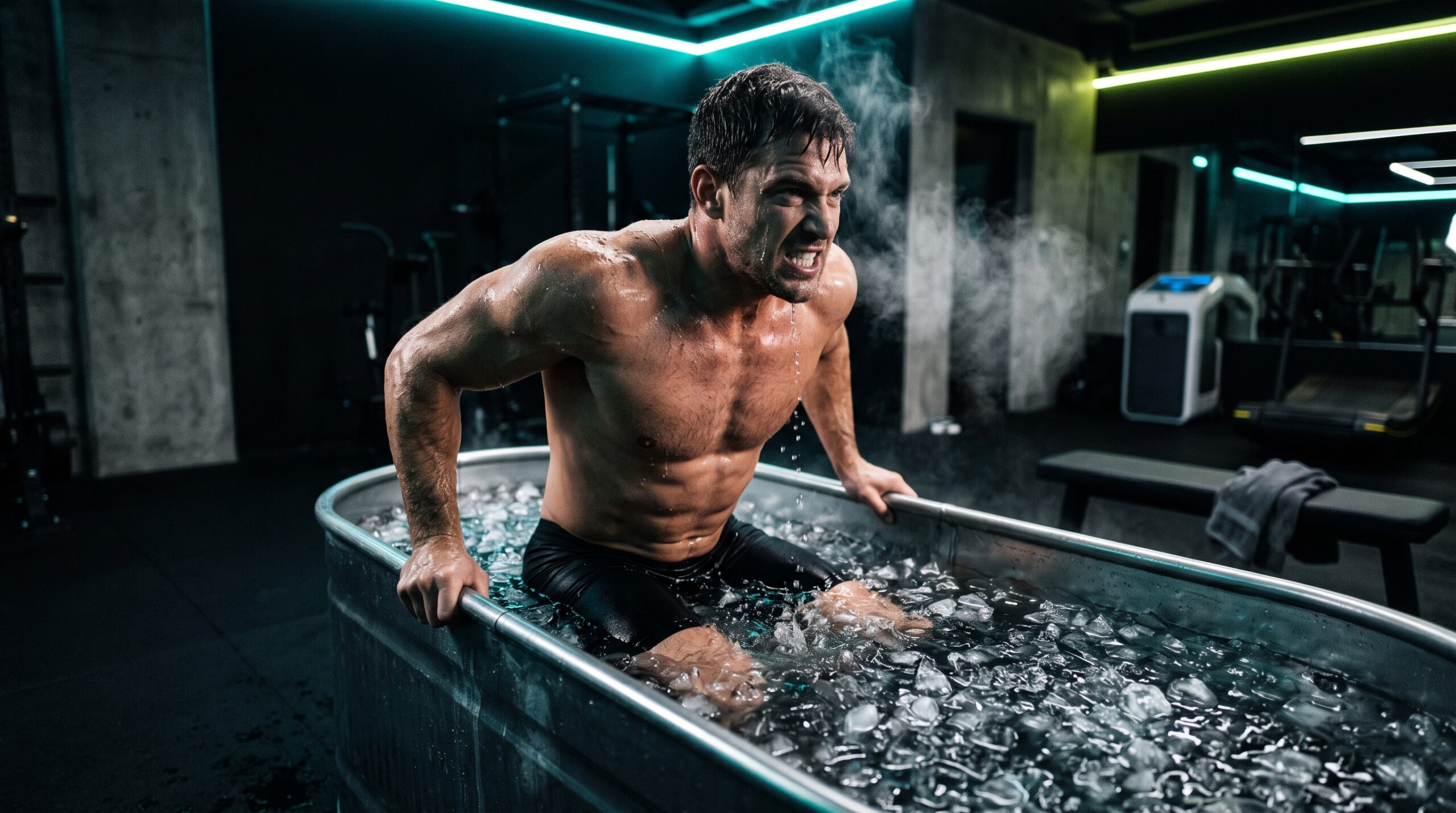
Why cold feels like magic after a hard session
Cold water immersion does real things. It clamps down blood vessels, tamps down swelling, and dulls the nervous system’s pain signals. That’s why you climb out feeling less beat up and more human. The soreness that would’ve hit you tomorrow gets softened today.
For a long time that felt like a pure win. Less soreness must mean better recovery, right? But “feeling recovered” and “actually adapting” are two different things – and this is exactly where the ice bath gets sneaky.
The inflammation you’re killing is the growth signal
When you train hard, you create controlled stress and low-grade inflammation in the muscle. That inflammation isn’t the enemy. It’s the alarm bell that tells your body to repair the tissue and build it back a little bigger and stronger. It’s the whole point.
Plunge into cold water immediately afterward and you blunt that signal. The swelling you’re trying to erase is part of the message, and dialing it down can dial down the growth response along with it. This is the same reason chasing soreness is a bad idea in the other direction – the discomfort was never the goal, as we broke down in why being sore doesn’t mean you had a good workout. Muscle is built by the adaptation, not the ache.
What the research actually shows
This isn’t gym-bro speculation. Studies putting cold water immersion up against normal rest after strength training have repeatedly found the cold group builds less muscle and, in some cases, less strength over weeks of training. One well-known study tracked lifters for months and saw measurably smaller gains in the ice-bath group. Researchers have even seen blunted signaling in the hours right after a session – the cellular machinery that kicks off muscle growth simply runs quieter when you cool the muscle down fast.
The effect is biggest when the plunge lands right on top of your lifting – within an hour or so, when your body is mid-conversation with itself about how to rebuild. That’s the window where cold does the most interfering.
When an ice bath still earns its place
Now, don’t throw the tub out. Cold water immersion is a genuinely useful tool – you just have to know what job you’re hiring it for. If your priority is performance right now rather than long-term muscle, cold is your friend:
- Two-a-days and tournaments – when you have to perform again in a few hours, feeling fresh beats maximizing adaptation. Take the plunge.
- Pure endurance and conditioning blocks – the muscle-blunting concern is mostly about hypertrophy and strength. For endurance athletes managing fatigue, cold can help you back it up day after day.
- In-season sport – when the goal is showing up recovered for the next game, not adding slabs of muscle, cold recovery makes sense.
- Deload or non-lifting days – want the mood and alertness boost? Plunge on a day you didn’t train for size, and you get the perks without the tax.
The simple fix if you love your plunge
Here’s the good news for the cold-plunge faithful who are also trying to build muscle: you don’t have to choose. You just have to wait.
The blunting effect fades the further you get from your workout. Push the plunge several hours out – or better, to a completely different part of the day, or a rest day – and you keep the recovery, the mood lift, and the mental reset without stepping on your gains. Lift in the evening, plunge the next morning. Train at noon, plunge before bed. The muscle-building signal has already done its most important work by then.
If soreness after training is what’s driving you to the ice in the first place, remember there are quieter, more powerful tools sitting right there. Sleep does more for recovery than any tub of ice ever will – it’s genuinely the most underrated set you’ll do all day. Solid protein, smart training, and good rest handle the bulk of the job.
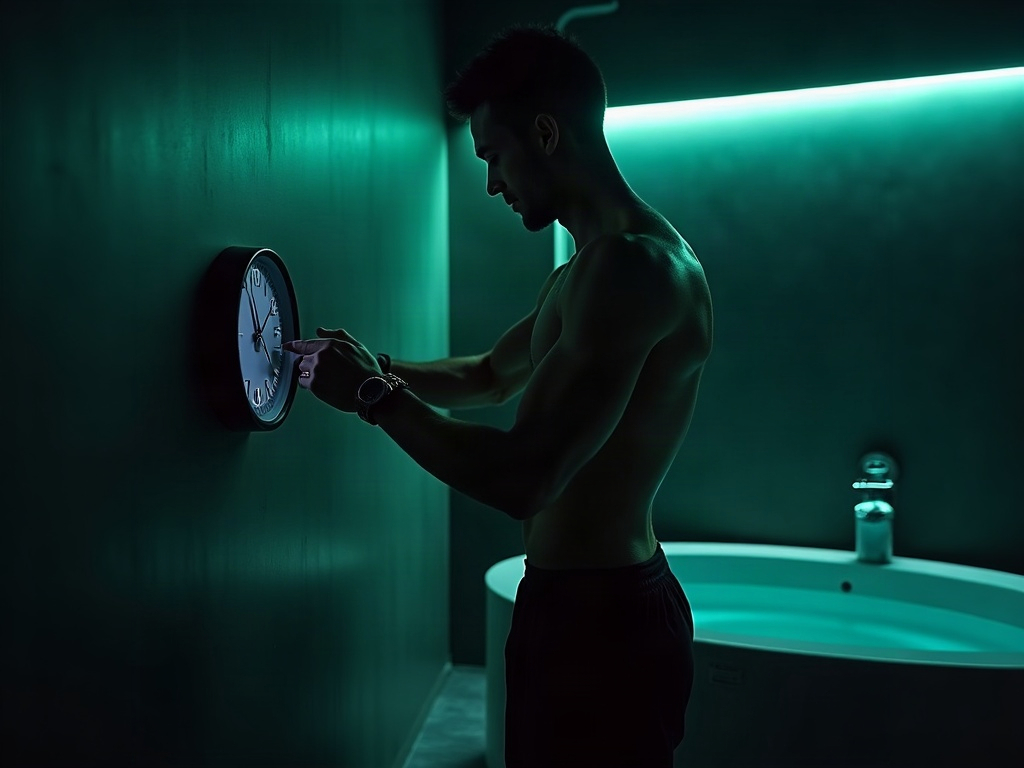
So should you ice or not?
If you’re chasing muscle and strength, skip the ice bath in the hour right after you lift. That short window is when cold does the most damage to your gains, and it’s the easiest fix in the world – just move it. If you’re chasing performance, managing a heavy competition schedule, or grinding pure conditioning, cold water immersion is a legit weapon; use it without guilt.
The bigger lesson is the one that shows up everywhere in training: the thing that feels like recovery isn’t always the thing that builds you. Real progress comes from paying attention – training with intent, recovering on purpose, and not letting a trendy hack undo a hard session. Keep your head in the work, let the smart habits stack up quietly, and save the plunge for when it actually helps. That’s the kind of focus, minus the noise, that Kalaku is built to protect.