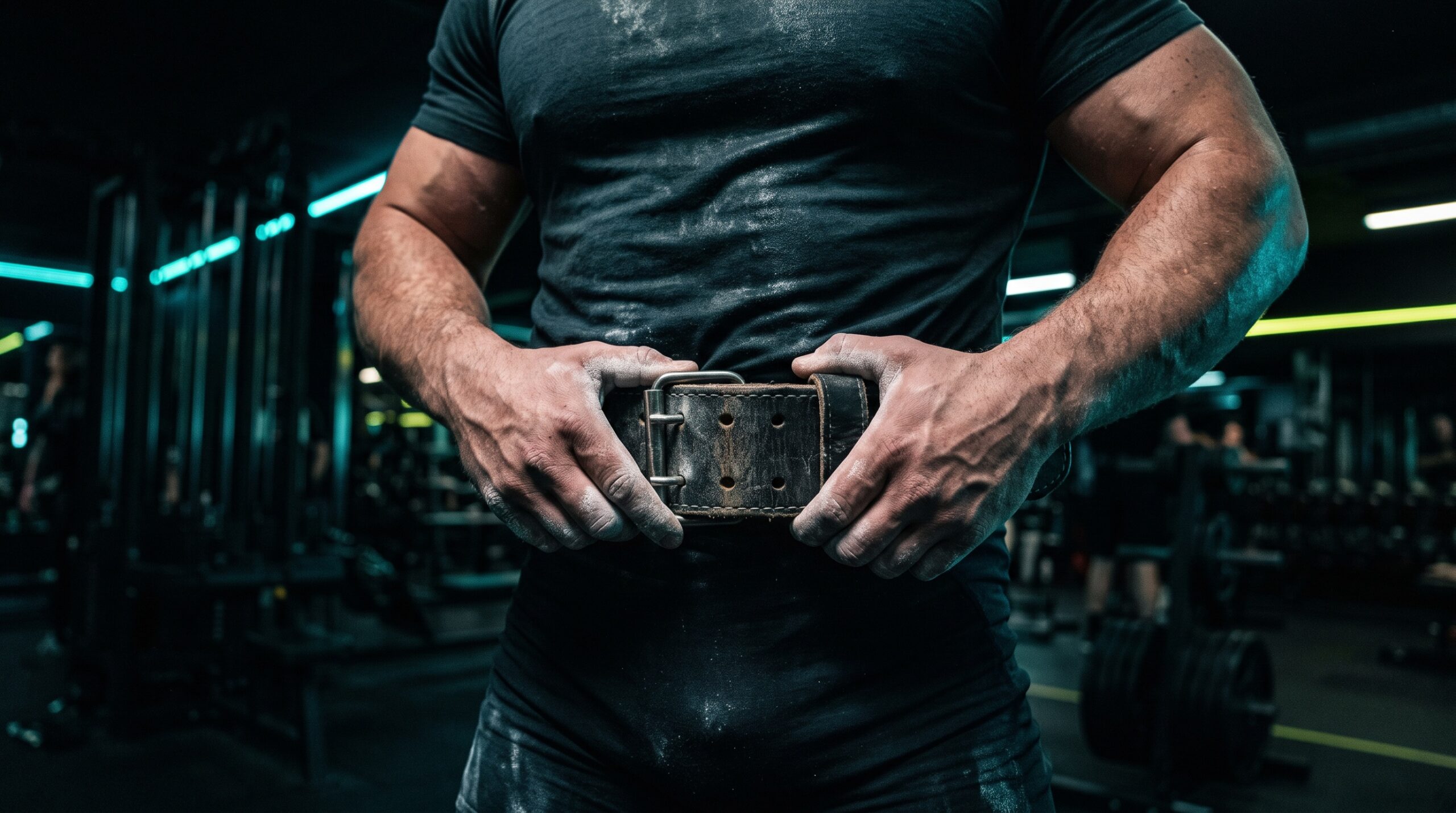
Walk into any serious gym and you’ll see them: thick leather belts cinched tight, cracked and chalk-dusted, worn like a badge. And every new lifter eventually asks the same question – do I need one of those, or is it just gym theater?
Here’s the honest answer up front: a lifting belt is a genuinely useful tool, but it’s wildly misunderstood. It’s not a back brace, it’s not a beginner crutch, and it’s not a scam. It does one specific thing well, and it does nothing at all if you don’t know how to use it. Let’s clear up exactly what a belt does, when it’s worth strapping on, and when you’re better off leaving it on the rack.
What a lifting belt actually does
The belt’s real job is to give your core something to push against. When you take a big breath and brace hard before a heavy lift, you build pressure inside your abdomen. A belt wraps that pressure in, letting your muscles clamp down harder against it. The result is a stiffer, more stable trunk – a stronger platform for your spine to sit on while you move a heavy bar.
That’s it. That’s the mechanism. More pressure, more stability, a more rigid midsection. On a near-max squat or deadlift, that extra stability can mean a few more pounds or a few more clean reps. The belt isn’t lifting the weight for you – it’s helping you stay tight so you can lift it.
What a belt does NOT do
This is where most people get it backwards. A belt does not hold your back together, and it will not save you from bad form. If you round your spine under a heavy bar, a belt won’t stop the injury – it’ll just be along for the ride. Slapping a belt on a sloppy lift is like putting a spoiler on a car with no brakes.
It also won’t magically make a light weight feel heavy or turn a beginner into an advanced lifter. A belt amplifies a brace you already know how to create. No brace, no benefit. That single misunderstanding is why so many people wear a belt for every set and feel like it does nothing – because for them, it kind of doesn’t.

When you actually need one
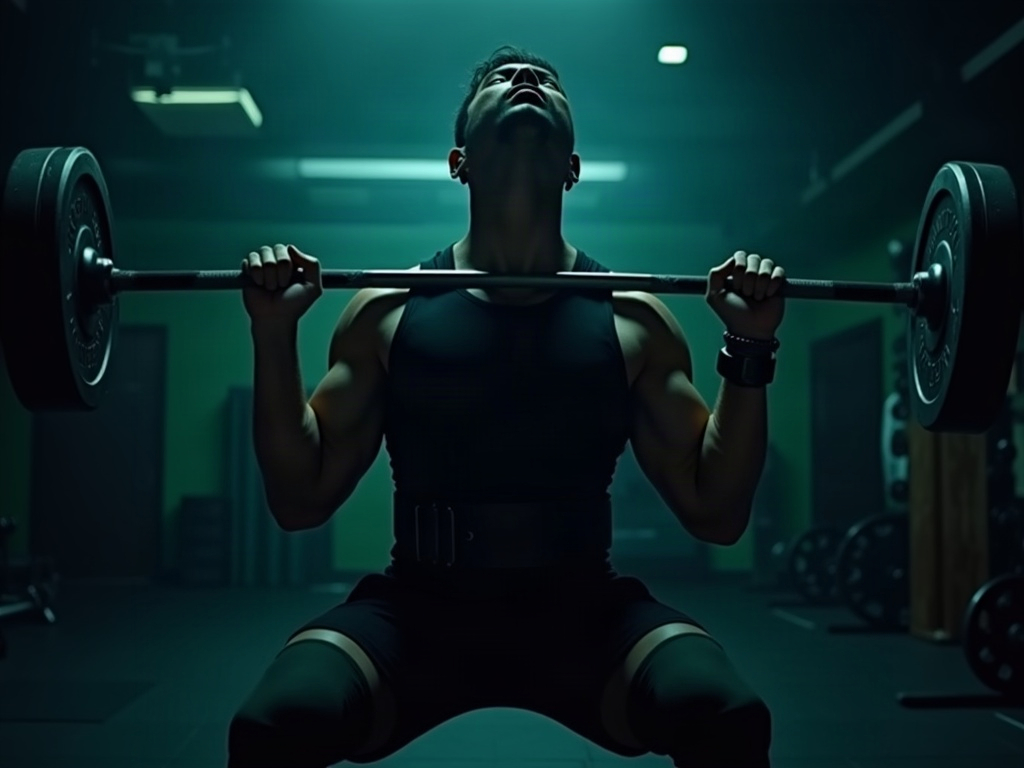
A belt earns its place on your heaviest, most demanding lifts – the ones where staying braced is the difference between a good rep and a grinder. Think:
- Heavy squats and deadlifts near the top of your working range – your biggest compound lifts that load the spine and beg for a rock-solid trunk.
- Top sets and near-limit efforts – the last couple of working sets where fatigue is high and your brace is the thing most likely to slip.
- Overhead pressing and heavy rows for some lifters, where a stable core keeps the whole chain honest.
The pattern is simple: the heavier and more spine-loaded the lift, the more a belt does for you. If you’re pushing real weight and chasing progressive overload on the big movements, a belt is a legitimate part of the toolkit.
When to skip it
Most of your training probably doesn’t need one. Leave the belt off for:
- Warm-ups and lighter sets. Belt up only when the weight actually demands it – beltless warm-ups keep your natural brace strong.
- Most accessory work. Curls, lateral raises, leg curls, push-downs – there’s nothing to brace against that a belt improves.
- Anything where the limiting factor isn’t your trunk. If your grip or a small muscle gives out first, a belt won’t touch the problem.
Training beltless for the bulk of your work is a feature, not a compromise. It builds a core that knows how to brace on its own – which, conveniently, makes the belt work even better when you do put it on.
Do beginners need a belt?
Not yet – and here’s why that’s good news. As a beginner, the single most valuable skill you can build is a strong, reliable brace using nothing but your own muscles. Learn to take a big breath, brace your abs like you’re about to be poked in the stomach, and hold that tension through the lift. Do that with an empty bar, then light weights, until it’s automatic.
If you hide behind a belt before you’ve learned to brace, you’re skipping the lesson that actually protects you. The belt should be something you add on top of a solid brace once the weights get genuinely heavy – usually once you’re well past the newbie phase and grinding real numbers. Build the engine first. The belt is a turbo, not the motor.
How to choose and use one
If you’ve decided you’re ready, a few practical notes so you don’t waste money or effort:
- Go stiff and consistent width. A belt that’s the same width all the way around (rather than tapered) gives your brace a uniform surface to push into. Thick leather or a quality stiff nylon both work.
- Prong or lever, your call. A prong buckle is easy to adjust; a lever snaps on and off fast at a fixed setting. Both are fine – pick what you’ll fuss with least between sets.
- Not as tight as you think. You want room to actually expand your belly into it. If it’s cinched so tight you can’t take a big breath and push out, it’s too tight to brace against.
- Brace into it, don’t lean on it. The belt is feedback. Breathe, push your core out against it 360 degrees, then lift. If you forget it’s there and just wear it, you’re wearing a costume.
Used right, the belt becomes a cue as much as a tool – the pressure reminds you to stay tight from the first rep to the last.
The bottom line
Do you need a lifting belt? If you’re a beginner or an intermediate doing mostly moderate work, no – learn to brace, train hard, and save your money for a while. Once you’re moving serious weight on squats, deadlifts, and other heavy spine-loaded lifts, a belt is a smart, evidence-backed way to squeeze a little more stability and a little more weight out of your top sets. It’s a tool for your hardest efforts, not a security blanket for every rep.
And like every tool, it only helps if the fundamentals underneath it are solid. A belt won’t fix bad technique, it won’t rescue a stubborn plateau on its own, and it won’t cover for a weak link somewhere else in the chain – the same way a strong grip quietly decides how much your big lifts can carry. Get your brace, your form, and your consistency right first. Then, when the weights are heavy enough to earn it, strap in and lift – fully locked in on the bar in front of you, not the phone in your pocket.