Open most gym bags and you’ll find the same three things tangled together: a pair of lifting straps, some wrist wraps, and a belt. They get treated like one category — “support gear” — and lifters grab whichever one is on top without really knowing what it does.
Here’s the thing: these three solve three completely different problems. Use the wrong one and you’ll waste money, blame your gear when it doesn’t fix anything, or lean on a crutch you never needed. Let’s sort it out.

Three tools, three jobs
Strip away the marketing and it’s simple:
- Straps keep the bar in your hands. They solve grip.
- Wrist wraps keep your wrist joint from bending back under a load. They solve wrist stability.
- A belt gives your core something to brace against. It solves trunk pressure.
Notice none of them makes the target muscle stronger. They each remove a weak link so the muscle you’re actually trying to train gets to do its job. Mix them up and you’re treating the wrong problem.
Lifting straps: for when your grip quits first
You’re pulling heavy. Your back and legs have plenty left — but the bar is sliding out of your fingers. That’s a grip limitation, and it’s exactly what straps fix. You loop the fabric around the bar, cinch down, and now the load hangs off your wrists instead of your fingertips. The bar stays put and you get to train the muscles you came for.
This matters most on pulling volume: heavy deadlifts, rows, shrugs, high-rep RDLs where your hands give out ten reps before your hamstrings do. If that’s you, straps turn a grip-limited set into a back-and-hamstring set.
The catch: used on everything, straps let your grip stay weak. Your hands are a real part of your strength, and grip is a silent limiter on your big lifts — one worth training on purpose. Save straps for your heaviest top sets and your highest-rep back work; grip the bar raw (or with a little chalk) the rest of the time. Best of both.

Wrist wraps: stability for the joint, not the grip
This is the one people buy by mistake. Wrist wraps are not straps. They don’t help you hold a bar. They wrap firmly around the wrist joint itself and keep it from folding backward when a heavy load is sitting on top of your hand.
Where they shine is pressing. Under a heavy bench, overhead press, or in the front-rack of a squat, your wrist wants to bend back into extension. A stiff wrap keeps it stacked straight so force travels in a clean line from the bar through your forearm. If your wrists ache or cave on pressing day, this is the fix — and it pairs well with sorting out your setup first, since a lot of wrist pain when you press comes from bar position and a bent joint, not weakness.
Softer wraps add a little proprioceptive cue; stiff powerlifting wraps add real mechanical support for near-maximal presses. Either way, they do nothing for your grip on a deadlift. If the bar is slipping, you wanted straps.

The belt: something to brace against (not back support)
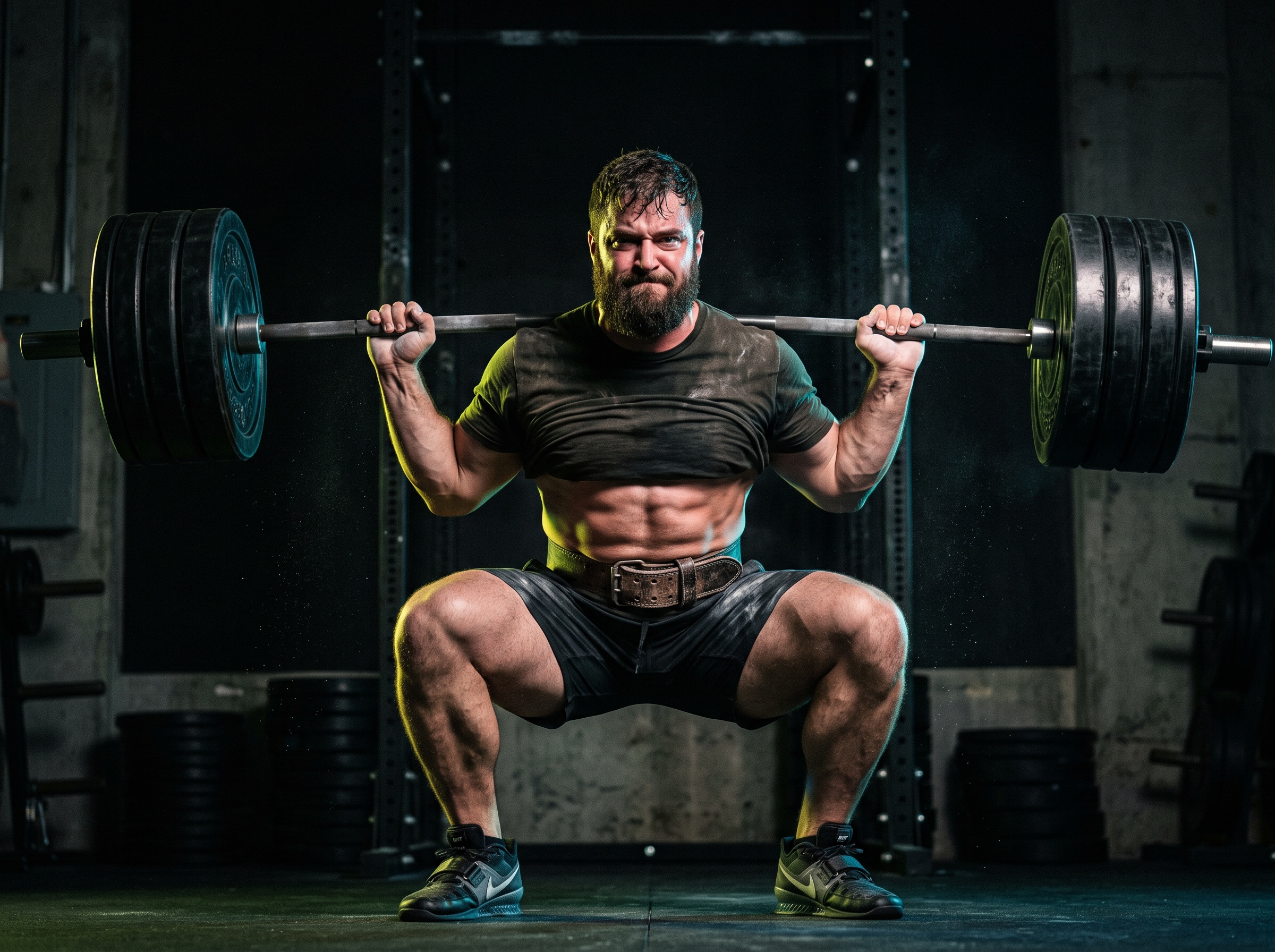
The belt is the most misunderstood piece in the bag. People picture it as a back brace that holds your spine up. It isn’t. A belt gives the muscles of your trunk a firm surface to push out against, which raises the pressure inside your abdomen and builds a stiffer, more stable core around a heavy squat or deadlift.
The key word is brace. The belt only works if you already know how to take a big breath and push your core into it. Put a belt on a lifter who doesn’t brace and it does almost nothing. Put it on one who does, and it lets them express a little more force safely on their heaviest sets. We’ve covered the technique in full in how to brace your core under a heavy bar and whether you actually need a belt — read those before you cinch one on, because the breathing comes first and the belt second.
Save it for heavy compound work in the lower rep ranges. You don’t need a belt for curls, machines, or your warm-up sets.
When you actually need each one
Quick field guide:
- Bar slipping out of your hands on pulls? Straps.
- Wrist bending back or aching under a press? Wraps.
- Heavy squats and deadlifts where you want a stiffer brace? Belt — once you can brace without it.
And when you don’t: light days, warm-ups, high-rep accessory work, and any time you’re deliberately training a weak link. If your grip is the thing holding you back, strapping every set just hides the problem instead of fixing it. Gear should raise your ceiling, not paper over your floor.
If you’re buying, here’s the order
Don’t buy all three on day one. Spend on what your training actually calls for:
- Nothing, at first. A beginner building the basics gets more from raw grip and a learned brace than from a bag of kit. Train the body before you accessorize it.
- Straps come first for most people — the moment grip starts capping your heavy pulls, they pay for themselves and they’re cheap.
- A belt next, once your squat and deadlift are heavy enough that a harder brace is worth it and you’ve learned to brace raw.
- Wraps if and when pressing loads start bothering your wrists.
Three tools, three jobs. Match the gear to the actual weak link and each one earns its place. Grab the wrong one and you’ve just spent money dressing up a problem you never diagnosed.
Figure out which link is really breaking first — then load the bar, brace, and get after it. The gear’s just there to help you train harder, not scroll between sets.