Walk up to a heavy bar with a loose midsection and your body knows something is wrong. The weight feels heavier than it should, your lower back rounds under it, and the lift grinds to a halt halfway up. Now do the same lift with a tight, well-braced core and everything changes. The bar feels lighter, your spine stays where it belongs, and you have a solid platform to push against. That difference is bracing, and it is probably the most underrated skill in the entire weight room.
The frustrating part is that almost nobody teaches it. New lifters get told to “tighten your core” and left to figure out what that actually means. So let’s fix that. Here is exactly what bracing is, how to breathe while you do it, and how to build the habit so it becomes automatic under the heaviest bars you lift.
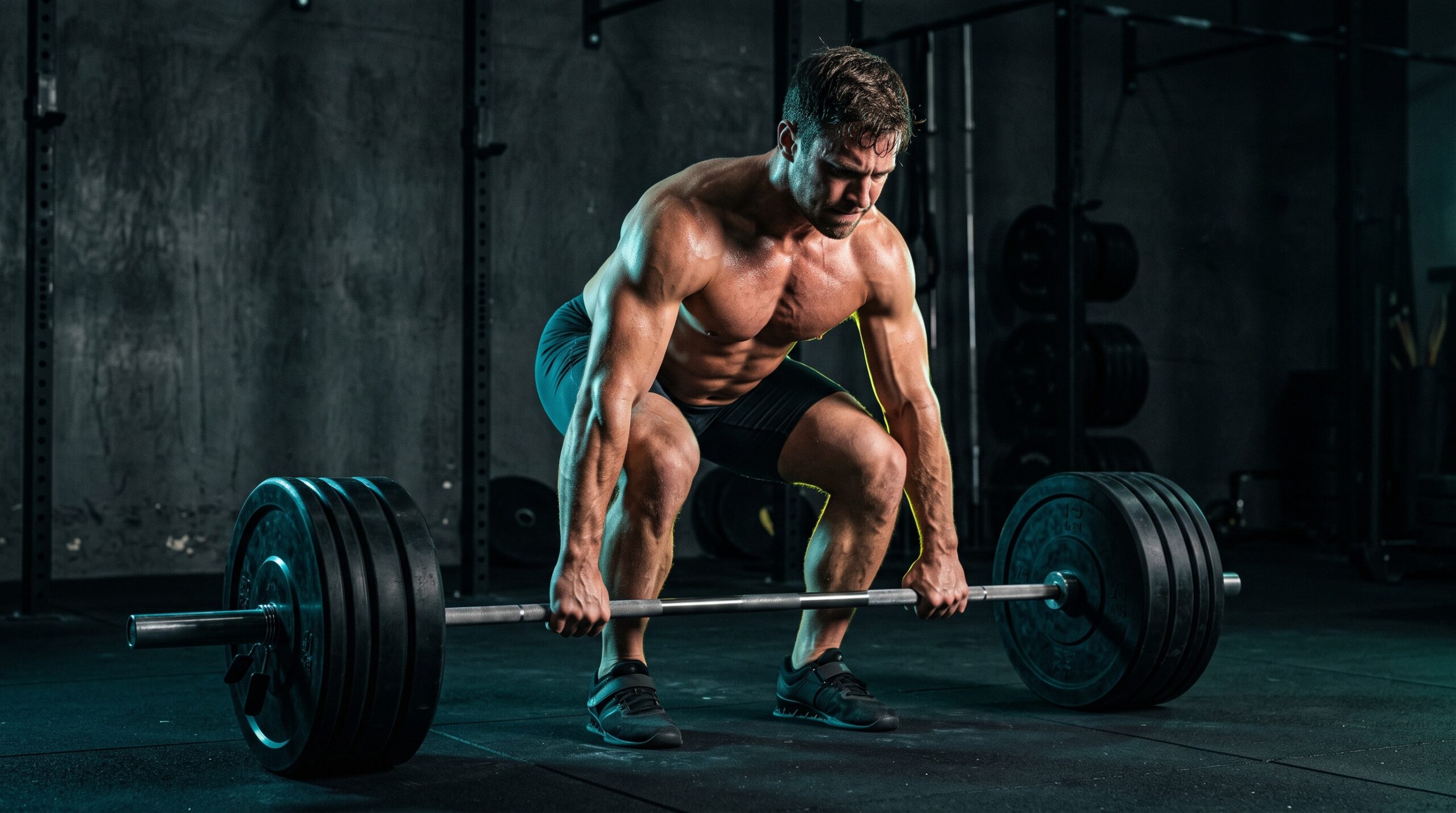
What bracing actually is
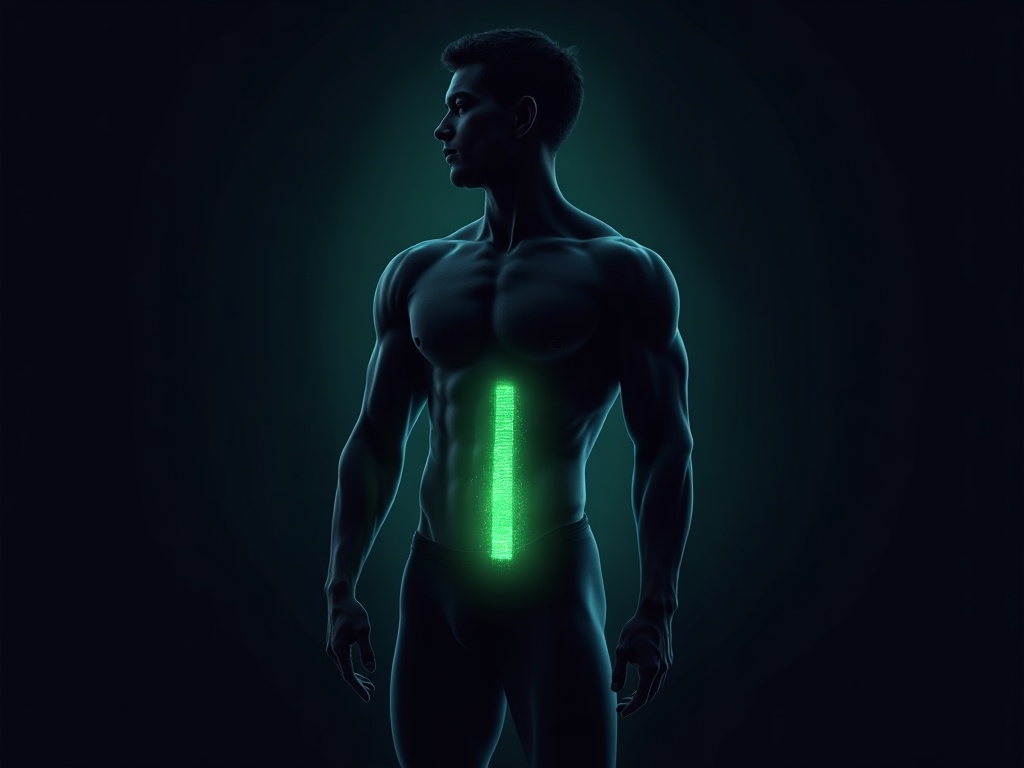
Bracing is not sucking in your stomach, and it is not just clenching your abs. Real bracing is creating pressure inside your entire midsection, all the way around your spine, so that your torso becomes a rigid cylinder. Think of your abdomen as a can of soda. An unopened can is almost impossible to crush because the pressure inside supports the walls. Crack it open and it folds under your fingers. Bracing pressurizes the can.
That internal pressure, created by your diaphragm from above and your deep core muscles from the sides and front, is what keeps your spine stable when hundreds of pounds are trying to bend it. It is not about how big your abs are. Plenty of strong lifters brace far better than people with more visible six-packs. It is a skill, and skills can be learned quickly once you know what you are aiming for.
Brace 360 degrees, not just the front
The most common mistake is treating bracing as a front-of-body thing, flexing the abs like you are about to be punched. That helps, but it leaves the sides and back soft, and those are exactly the places your spine needs support. The better cue is to imagine expanding your whole waist outward against an invisible belt wrapped all the way around you.
Try this standing right now. Put your hands on the sides of your waist, just above your hip bones. Take a breath down into that area and try to push your hands outward without letting your belly button just poke forward. You should feel tension appear on the front, the sides, and if you pay attention, the lower back too. That 360-degree expansion is the feeling you are chasing under the bar.
How to breathe: the belly breath and the hold
Here is where people get confused, because the instinct under heavy weight is to hold your breath in your chest or to breathe shallow and fast. Neither works. The right sequence is simple.
First, breathe in through your mouth or nose down into your belly, not up into your chest. Your ribs should stay relatively still while your midsection expands like a balloon inflating in all directions. Second, brace against that air, tightening your core muscles around the pressurized breath. Third, hold it. You take this big breath, you lock it in, and you keep it locked for the hard part of the lift, then let it out at the top or once you have cleared the sticking point.
Strength coaches call this holding-the-breath-under-load approach the Valsalva maneuver, and for a single heavy rep it is genuinely how the strongest lifters in the world stay safe. The pressure it creates braces your spine far better than breathing continuously through the rep ever could.

Do you need a belt?
A lifting belt is not a crutch and it is not cheating, but it is also not a substitute for learning to brace. A belt gives your core something extra to push against, which lets you generate even more internal pressure. That is why it can add weight to your top lifts. But it only works if you already know how to brace, because the belt amplifies your brace rather than replacing it.
The order matters: learn to brace with nothing but your own muscles first, on your warm-up sets and moderate weights. Then, once you are chasing heavy singles or your working sets on squat and deadlift feel genuinely demanding, add a belt and push your belly out against it as you breathe in. If you strap on a belt and go loose underneath it, you have missed the point entirely.
When to use a full brace, and when not to
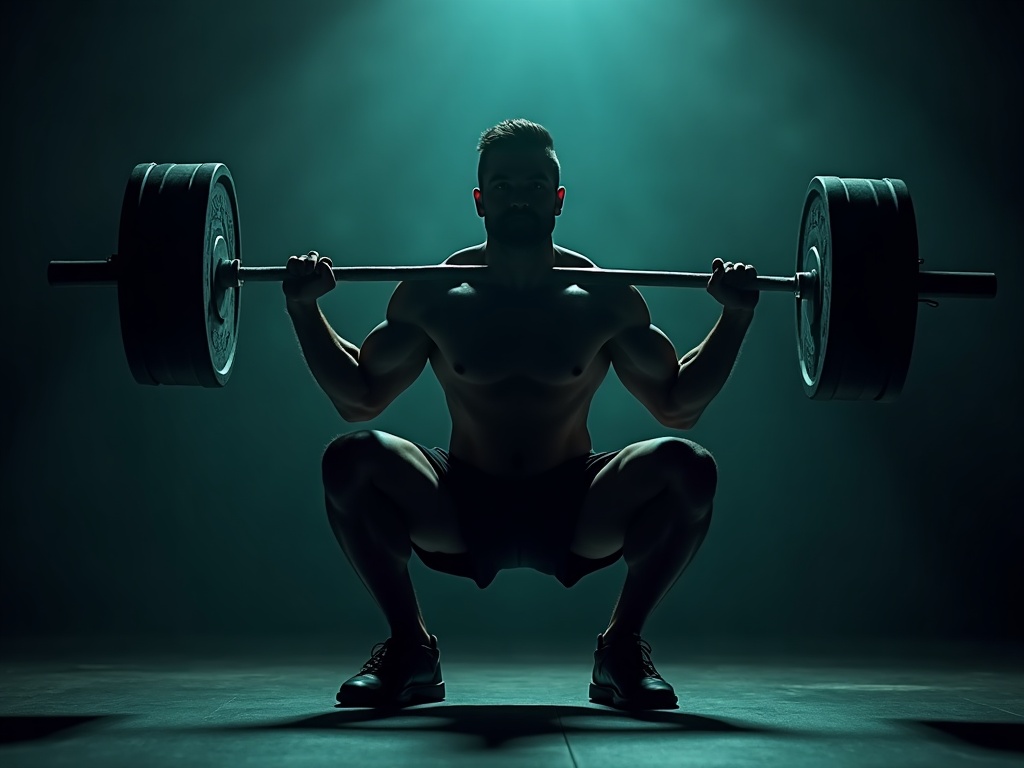
A maximal breath-and-brace is meant for heavy, spine-loaded lifts: squats, deadlifts, overhead presses, heavy rows. You do not need to hold your breath through a set of light bicep curls, and holding a hard brace for a long set of twenty reps will leave you dizzy. For those, breathe more normally and keep a lighter baseline of core tension.
The general rule is that the heavier and more demanding the rep, the harder and more deliberate your brace and breath hold should be. For a true one-rep-max deadlift, you take one big breath, lock everything down, pull, and don’t exhale until it is over. For a set of ten on a lighter day, you might reset your breath every rep or two.
Build the habit before it matters
The whole point of practicing bracing is that when a genuinely heavy bar is on your back, you don’t have the spare attention to think through five steps. It has to be automatic. So drill it where it is easy. On every warm-up set, go through the full routine: breathe into the belly, brace 360 degrees, hold, lift. Do it on the empty bar. Do it on weights that feel trivial. By the time the bar is heavy, your body already knows exactly what to do.
Get this one skill right and almost everything else in the gym gets better. Your back feels protected, your big lifts feel more solid, and the numbers tend to climb on their own. Brace like you mean it, keep your attention on the bar instead of your phone, and let a tight core do the quiet work that holds every heavy lift together.