Here’s the fight that won’t die: half the gym says lifting straps are cheating, the other half won’t pull a heavy deadlift without them. Both camps are a little right and mostly wrong.
Straps are a tool. Used at the wrong time, they let you dodge the grip work that builds real strength. Used at the right time, they let you overload your back and pull more total volume than your forearms could ever hold. The skill isn’t owning them — it’s knowing when to reach for them.
Let’s settle it.
What lifting straps actually do
A lifting strap is a loop of cotton or nylon that wraps around your wrist and then around the bar. It transfers the load off your fingers and onto the bar connection itself. Your hands stop being the weak link.
That’s the whole trick. When you’re pulling something heavy — a deadlift, a shrug, a row, a rack pull — your grip usually taps out before the big muscles do. Your lats and traps still have reps left, but your hands are screaming. Straps erase that ceiling so the target muscle gets the stimulus it actually needs.

Important: straps don’t make the lift lighter. The weight on the bar is exactly the same. They just change which muscles decide when the set ends.
The “crutch” argument — and why it’s half true
The anti-strap crowd has a real point. If you strap up for everything, your grip never gets challenged, and grip is a legitimate strength quality. A crushing grip carries over to almost every pull you do, and weak hands quietly cap your deadlift for years.
Lean on straps from your first warm-up and you’re training your lats while letting your forearms coast. Over months, that gap widens. Then one day you grab a bar without straps and the number feels humiliating.
So the crutch worry is valid — if straps are your default. The fix isn’t to ban them. It’s to earn them.
When straps make you genuinely better
There are clear moments where straps aren’t a shortcut — they’re the smart call:
- Top-end deadlift and rack pull sets. When the bar is heavy enough that grip fails first, straps let you train the posterior chain at the weight it’s actually ready for.
- High-rep back work. On rows, pulldowns to failure, and heavy shrugs, you want the lats and traps to be the thing that quits — not your fingers at rep six.
- High-volume pulling days. Stack up enough sets and grip fatigue accumulates across the whole session, sabotaging the lifts that come later.
- Coming back from a hand or elbow issue. Straps let you keep training your back while a tweaked forearm or torn callus heals.
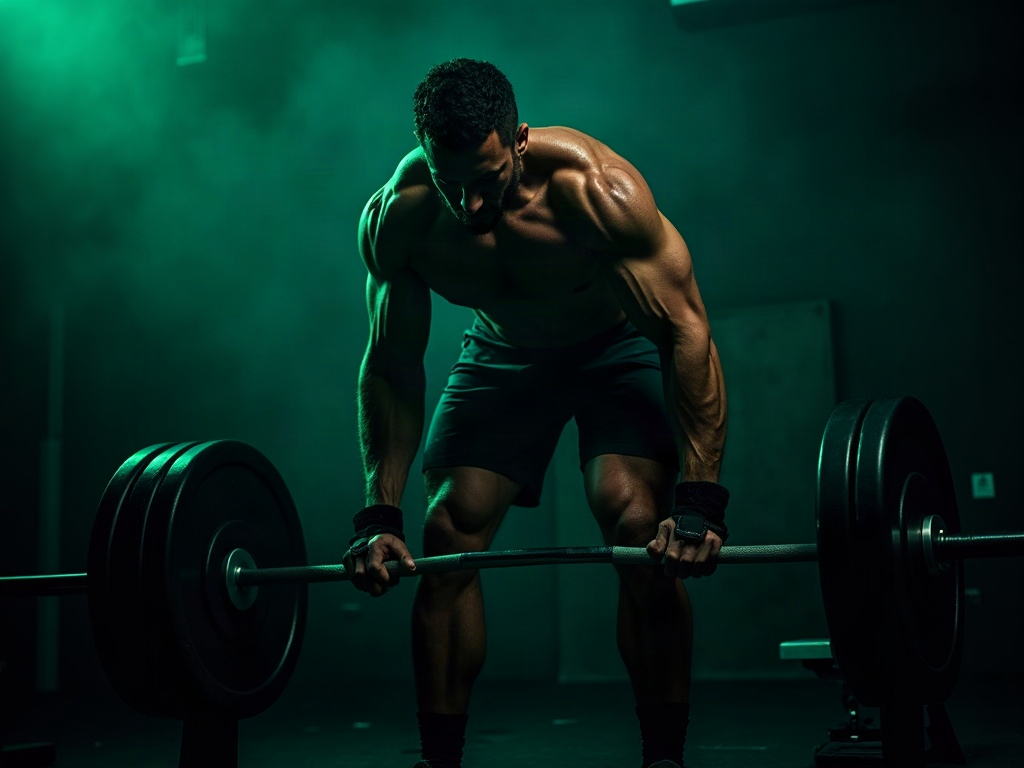
In every one of those cases, the goal is back and trap growth, not grip. Forcing your hands to be the limiter there just means you leave gains on the floor.
When to leave them in your bag
Keep your grip honest by going strapless on purpose:
- Warm-ups and lighter sets. There’s zero reason to strap up for 60% of your working weight. Use those reps as free grip training.
- Your first one or two working sets of deadlifts. Pull them raw while your grip is fresh, then strap up only once the bar genuinely slips.
- Dedicated grip and forearm work. Farmer’s carries, dead hangs, and heavy holds are the point — strapping those defeats the exercise entirely.
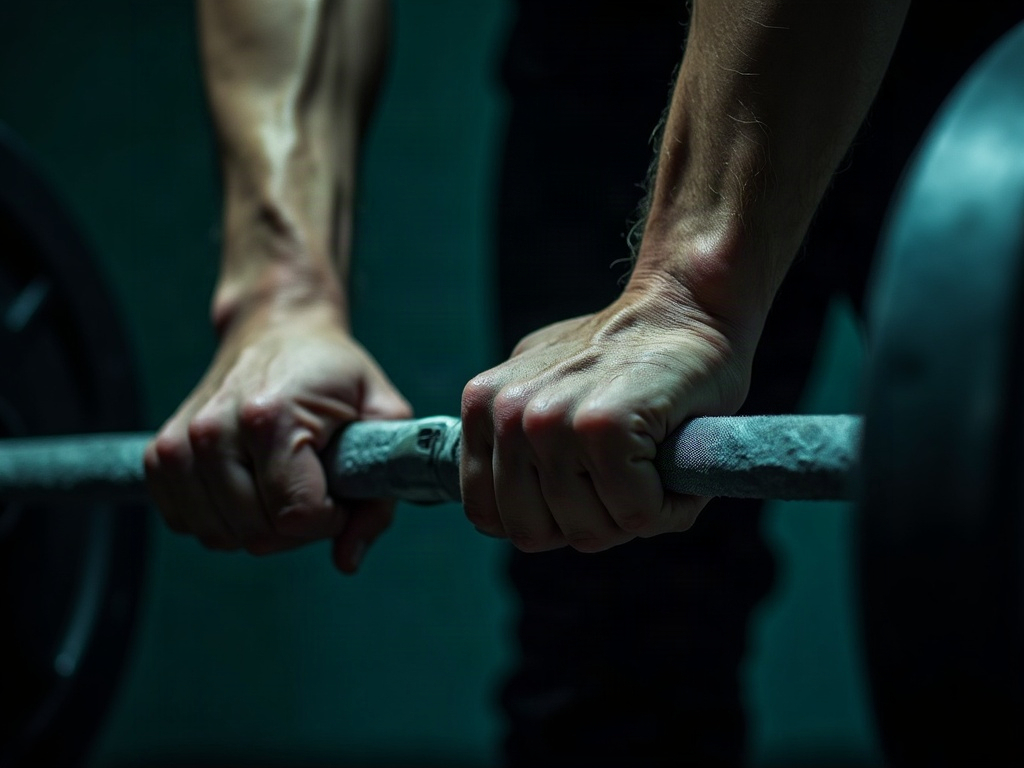
A good rule of thumb: if the set is about getting stronger hands, no straps. If the set is about loading a big muscle past where your grip can follow, straps on.
The two straps worth owning (and how to wrap them)
You don’t need a drawer full of gear. Two styles cover almost everything:
Lasso straps are the versatile default. A single loop you thread the tail through, wrap around the bar, and cinch. They’re quick to bail out of mid-rep, which makes them the safer choice for deadlifts where you might need to drop the bar.
Figure-eight straps lock you to the bar like a seatbelt — maximum security, almost impossible to lose grip. Great for heavy shrugs and rack pulls, but because you can’t ditch the bar fast, keep them off anything where dumping the weight matters.

To wrap a lasso strap: slip your wrist through the loop so the tail hangs down by your palm. Pass the tail around the bar, then back up through the gap between your hand and the bar. Lay it flat against your fingers and roll the bar toward you to tighten. Done right, it feels like your hand and the bar are one piece.
A simple rule for when to strap up
Strip away the gym-bro arguments and it comes down to one question: is my grip the thing I’m trying to train right now?
If yes — go bare and let your hands fight. If no, and your grip is the only reason a back-focused set would end early, strap up without guilt. You’re not cheating the lift. You’re aiming the effort where you actually want it.
Train the pull you came to train. Stop babying the scroll between sets, pick the tool that fits the job in front of you, and go earn the reps.