You’re three reps into a heavy set of deadlifts and the bar starts to roll in your hands. Not because your back is done. Not because your legs quit. Because your palms got sweaty and the bar is sliding. You drop it early, annoyed, leaving reps on the floor.
That’s the exact problem chalk solves. It’s the cheapest, oldest performance upgrade in the gym — a lump of magnesium carbonate that dries your hands and locks them to the bar. But chalk gets misunderstood. Some lifters chalk up for everything like it’s cologne; others avoid it and wonder why their grip keeps failing. Let’s cut through it.
What chalk actually does
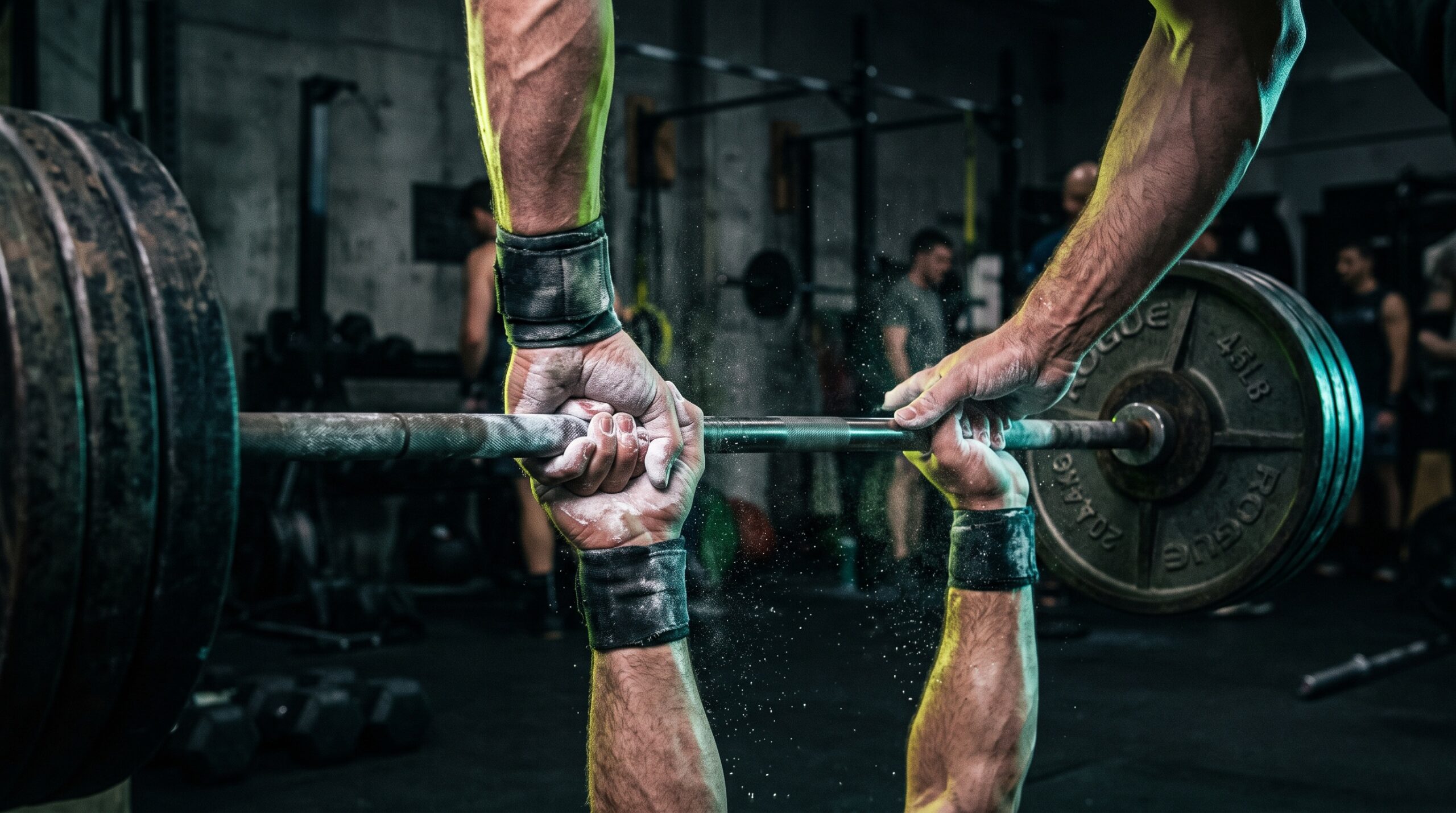
One thing: it kills moisture. Your palms sweat, a thin film builds between skin and steel, and that film is slippery. Chalk soaks up the sweat and adds friction, so the bar stops sliding and your hand can actually do its job. That’s it. It doesn’t make you stronger, it doesn’t build grip strength, and it won’t fix bad technique. It just removes the slip so your real strength gets to show up.
And that matters more than people think, because grip is often the first link to fail on a heavy pull. When the bar slides out of your hands, the set is over — regardless of what the rest of you had left. Chalk keeps that weak link from ending your set early.
When chalk earns its keep
Chalk isn’t for every exercise. Reach for it when grip and sweat are the limiting factor:
- Heavy deadlifts. The number-one use. A slick bar on a max pull is the classic reason reps get left behind.
- Rows and heavy carries. Anything where a loaded bar or dumbbell is trying to slide out of your hand over multiple reps or a long walk.
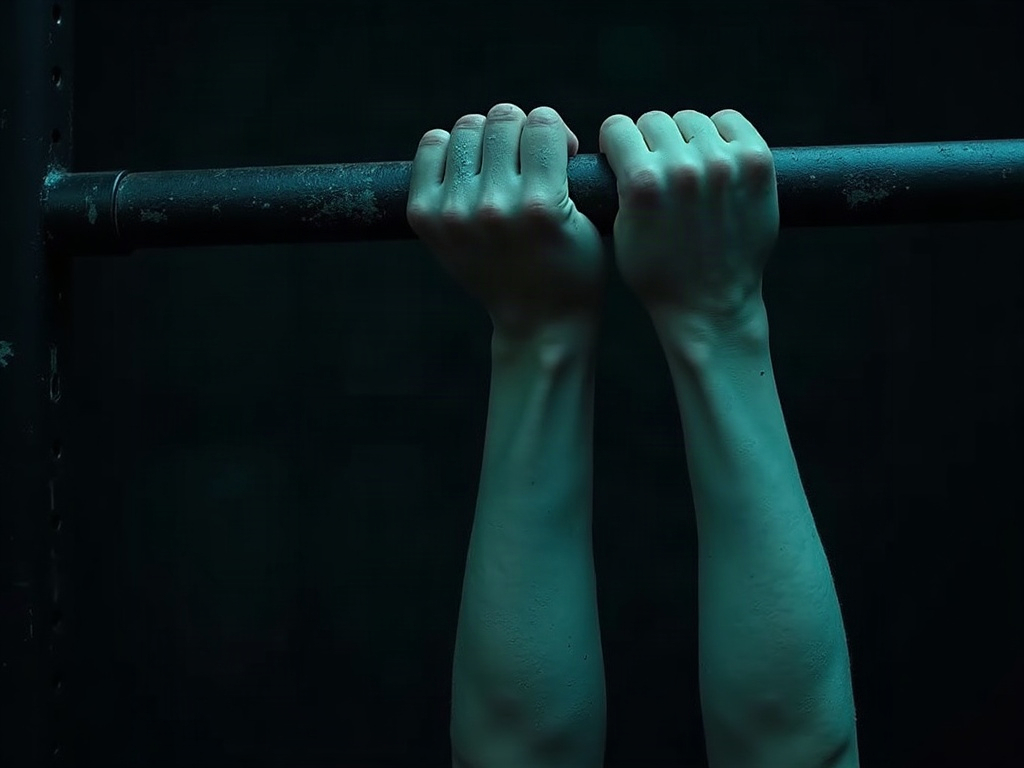
- Pull-ups and hangs. Bodyweight hanging from a bar is brutal on a sweaty grip — chalk is often the difference between a full set and dropping off early. If you’re still fighting for reps here, it stacks perfectly with a smart pull-up progression.
- Hot, humid gyms or sweaty-handed lifters. If your palms run wet, chalk helps on almost anything you grip.
Where you don’t need it: light accessory work, machines, and most pressing. If the bar isn’t slipping, chalk isn’t doing anything for you.
Block, loose, or liquid?
Three forms, and the right one usually depends on your gym’s rules:
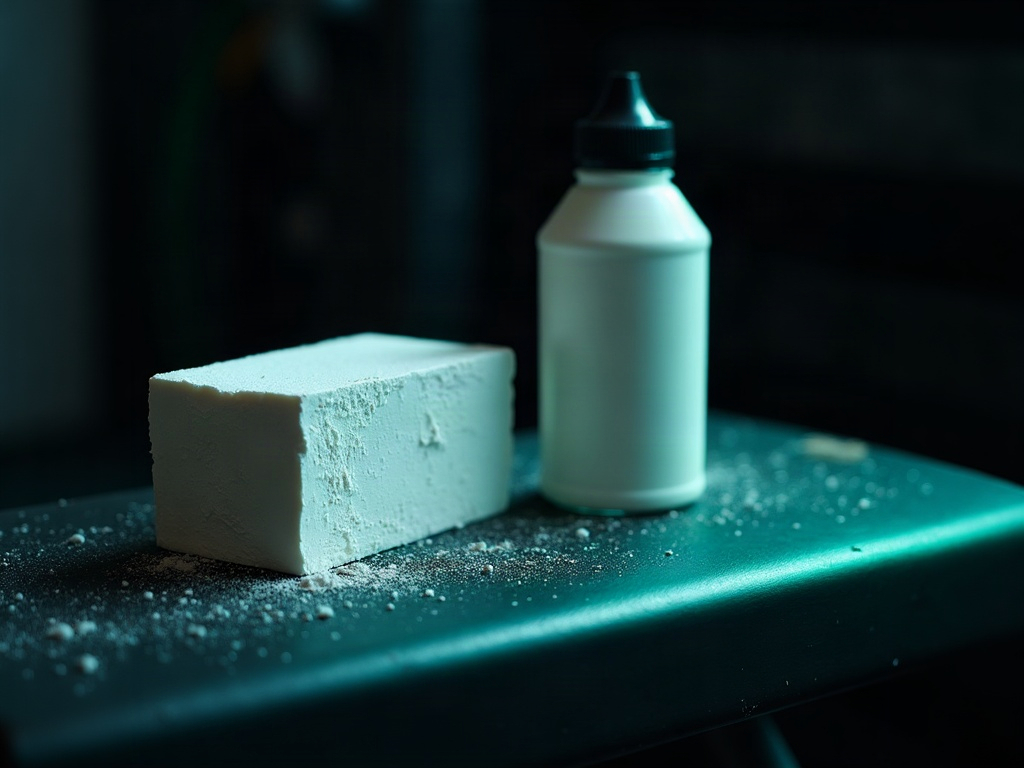
- Block / loose chalk. The classic. Best grip, instant to apply — but it makes dust and mess, which is exactly why a lot of commercial gyms ban it.
- Liquid chalk. Alcohol-based chalk you rub on; it dries in seconds and leaves a thin, dust-free layer. Slightly less grippy than a fresh coat of block, but far cleaner, longer-lasting, and usually gym-legal. If your gym bans loose chalk, this is your answer.
- Chalk balls. A refillable cloth ball you pat on your hands — a tidier middle ground that some gyms allow when blocks aren’t.
For most people in a commercial gym, liquid chalk is the sweet spot: it works, it travels in your bag, and it won’t get you a talking-to from the front desk.
How to use it right
Chalk is simple, but people still overdo it. The rules:
- Less than you think. A light, even coat on your palms and fingers is plenty. Caking it on doesn’t add grip — it just makes a mess and can actually feel gummy once it mixes with sweat.
- Hit the contact points. Focus on the fingers and the top of the palm where the bar sits, not the back of your hands.
- Re-apply when it’s gone, not every set. One good coat lasts several sets. Chalk again when your hands feel slick, not out of habit.
- Clean up after yourself. Brush the bar and wipe the knurling if you left it loaded with chalk. It’s basic gym etiquette and it keeps chalk allowed at your gym.

Chalk vs. straps: not the same tool
People lump chalk and lifting straps together, but they do different jobs. Chalk improves your natural grip by killing sweat — you’re still holding the bar yourself, so your grip keeps getting trained. Straps replace your grip by tying your hands to the bar, letting you hold weights your hands never could on their own.
For building a strong grip and for most working sets, chalk is the honest choice: you keep doing the work. Save straps for the very heaviest back work where your grip would otherwise cap the muscles you’re actually trying to train. Chalk first, straps only when you truly need them. It sits in the same accessory conversation as whether you actually need a lifting belt — useful gear, but no substitute for the strength underneath.
Bottom line
Chalk is a tiny investment that pays off the second your grip becomes the reason a set ends. Grab liquid chalk if your gym is strict, use a light coat on the lifts where the bar actually slips, and let your real strength do the talking. It won’t build your deadlift for you — but it’ll stop a sweaty palm from robbing you of the reps you already earned. And once the bar stops sliding, you can put your focus back where it belongs: on moving the weight and logging the set in your Kalaku log so next week you beat it.