You wake up, and the gym is calling before breakfast has a chance to happen. So you go — empty stomach, black coffee, straight to the bar. Then the doubt creeps in: am I burning extra fat right now, or am I sabotaging my gains?
Fasted training is one of the most argued-about topics in the gym, and most of the noise is people defending a routine that happens to fit their morning. Let’s cut through it. Here’s what training on an empty stomach actually does, who it suits, and how to do it without your session falling apart.
What “fasted” actually means
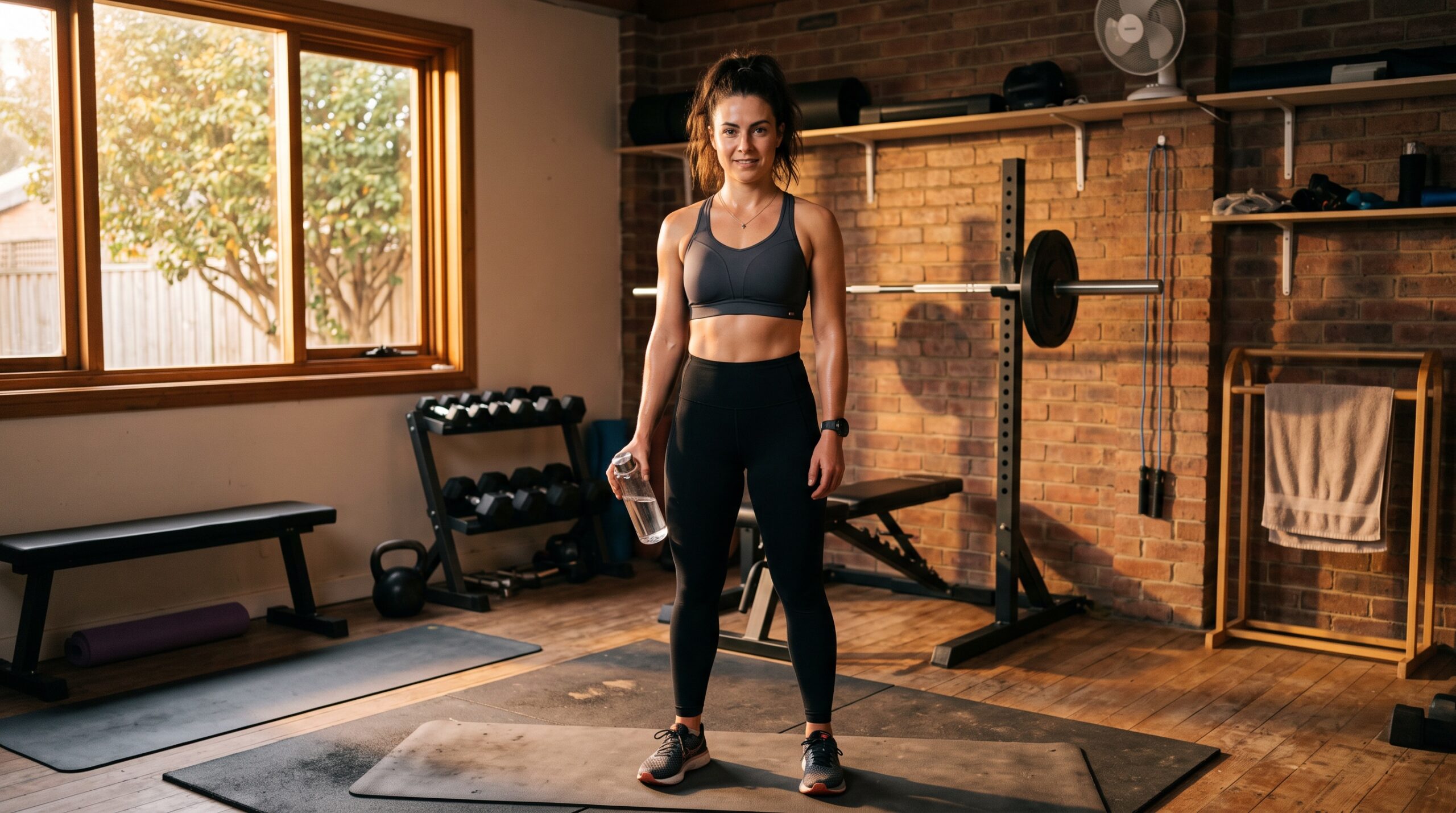
Fasted training just means working out when your body has finished digesting your last meal — usually first thing in the morning, before you’ve eaten. Your insulin is low and your body leans a little more on stored fat for fuel. That single fact is where the whole “fasted cardio burns more fat” idea comes from.
And it’s technically true — during the session, you’ll oxidize a bit more fat. The catch is what happens over the whole day. Fat loss is decided by your total energy balance across 24 hours, not by which fuel you happened to burn at 6 a.m. Burn more fat in the morning and your body simply adjusts later. So the headline promise — fasted training as a magic fat-loss switch — doesn’t hold up. What matters is still calories in versus calories out over time.
Does lifting fasted cost you muscle or strength?
This is the fear that keeps lifters up at night, and the reassuring news is: for most people, for a normal session, no. If you ate a decent amount of protein and food the day before, your body isn’t running on empty when you wake up — it’s still drawing on yesterday’s fuel and stored glycogen. A short, focused 45-to-60-minute lifting session sits comfortably on that.
Where it can bite is at the extremes. Long sessions, very high-volume training, or all-out max-effort work can suffer when you’re fasted, simply because you run lower on readily available energy toward the end. If your last two sets feel weak or your endurance craters past the 45-minute mark, that’s your body telling you it wanted fuel — not a character flaw.

The real pros and cons
Strip away the hype and fasted lifting comes down to a simple trade-off:
- Pro — convenience. No waiting on digestion. Roll out of bed and train. For a lot of people that’s the difference between training consistently and skipping it.
- Pro — no gut discomfort. Some people simply can’t lift on a full stomach. Fasted means no sloshing, no cramps, no heavy feeling.
- Pro — it fits certain eating patterns. If you already do intermittent fasting, morning training lines up naturally.
- Con — possible energy dip. Heavy or long sessions may feel harder, and top-end performance can slide.
- Con — it’s not for everyone’s body. Some people feel lightheaded, shaky, or flat without something in the tank.
Who should eat first
Skip the fasted approach, or at least grab a small snack, if you’re chasing a strength PR, doing a big high-volume day, training for more than an hour, or you simply feel weak and dizzy without food. There’s no medal for toughing out a worse workout. If food makes your session better, food wins — performance is what drives progress, not martyrdom.
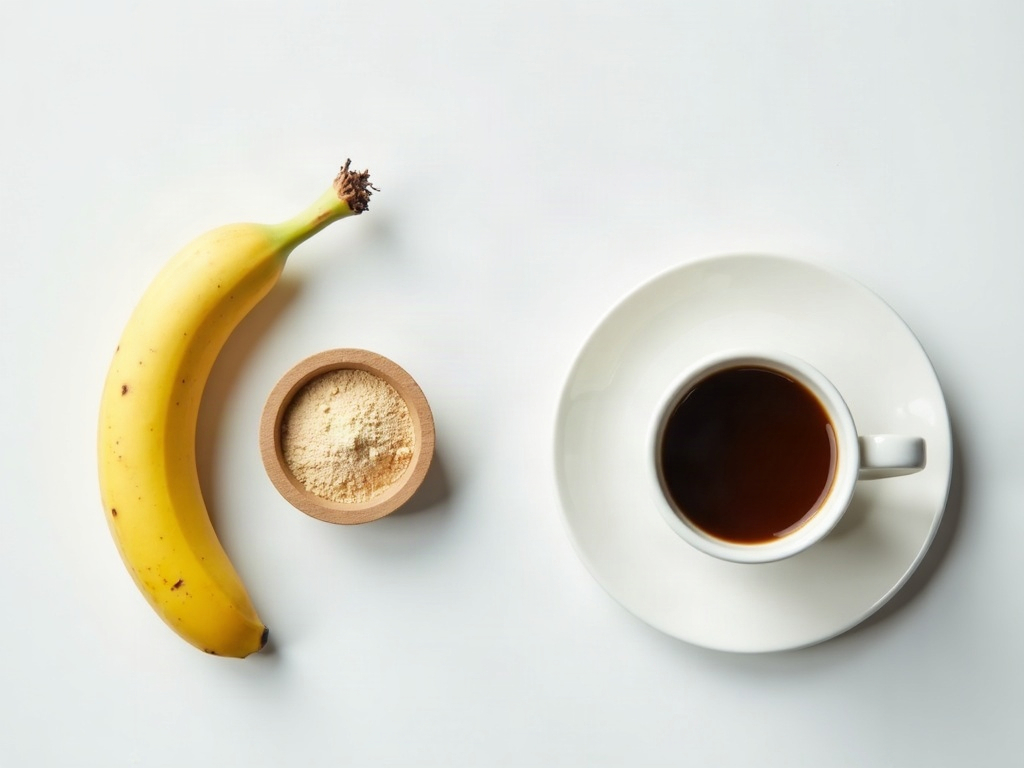
A useful middle ground: you don’t need a full breakfast. A banana and a scoop of whey, or a coffee with a little carbohydrate 20–30 minutes before, is enough to take the edge off without sitting heavy. You get most of the fed-state benefit with almost none of the wait. This is the same “train when you’re actually primed” logic behind picking the best time of day to train — work with your body, not against it.
How to lift fasted without falling apart
If fasted mornings genuinely fit your life, a few habits keep your sessions strong:
- Hydrate hard. Overnight you’ve gone hours without water. A big glass (with a pinch of salt if you sweat a lot) before you train does more for your energy than most people expect.
- Use caffeine. Black coffee or a low-calorie pre-workout genuinely sharpens focus and output, and keeps you technically fasted.
- Warm up properly. A fasted body appreciates a longer ramp-up. Don’t jump straight to heavy loads cold.
- Keep it tight. Fasted sessions shine when they’re short and focused. Get in, hit your main lifts, get out — don’t drag it into a two-hour marathon.
- Nail the post-workout meal. This is the big one. When you train fasted, the meal afterward carries extra weight. Get protein and carbs in reasonably soon to refuel and kick off recovery.
That last point matters even more if you’re training fasted specifically because you’re in a fat-loss phase. Protecting muscle while you lose weight comes down to lifting hard and eating enough protein — the same principle behind holding onto muscle while the scale drops.

The bottom line
Fasted lifting isn’t a fat-loss cheat code, and it isn’t a gains-killer either. It’s a scheduling choice. If training before breakfast helps you show up consistently and your sessions still feel strong, do it — just hydrate, use caffeine, keep it focused, and eat well afterward. If it leaves you flat, weak, or dizzy, eat something small first and don’t overthink it.
The best training approach is the one you’ll actually keep doing. Fed or fasted, consistency and hard work build the body — so pick the version that gets you under the bar and keeps you there, without the phone-scroll and the excuses.